
Painting in the Digital Age
Why Do I Still Paint in the Age of AI?
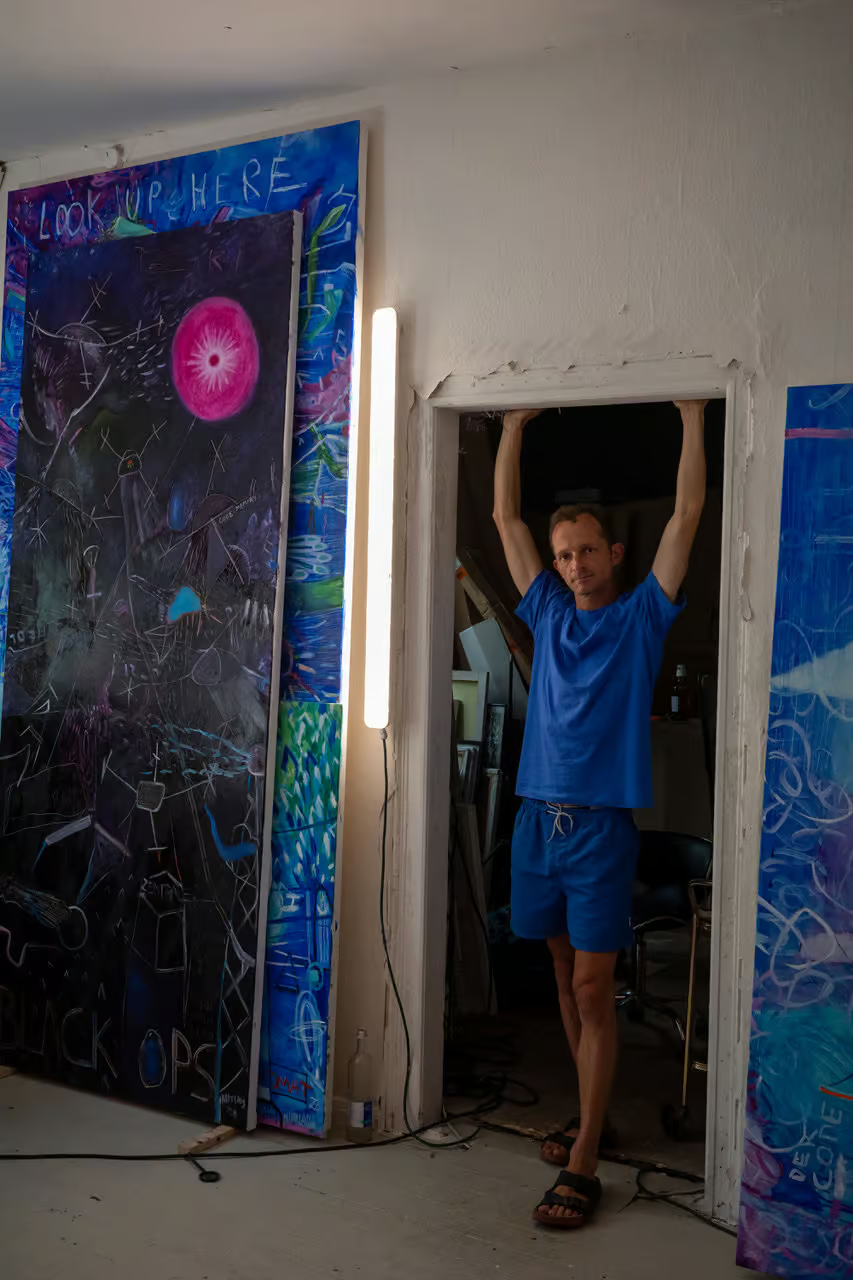
Because painting is more than an image. For me, painting is a physical, almost synesthetic experience. Colour, rhythm, movement and sometimes even a sense of sound come together. There is the texture of the surface, the resistance of the material – even the smell of paint.
Especially in my large-scale works, the body becomes part of the process. I move across the canvas, step back, come closer, change direction. The viewer later experiences the painting physically as well. A digital image can reach the mind and emotions.
But a painting has a body.
It exists in real space. And within this physical process, something deeply human becomes visible – decisions, intuition, mistakes, experience and emotion.
Why I Use AI
At the same time, I am fascinated by artificial intelligence.
I use AI for developing ideas, accessing information, combining thoughts and exploring new visual possibilities. I see it as another creative source – almost a kind of super-nature tool, an enormous space of information, images and connections.
For me, the interesting question is not human or AI.
It is what can happen when both come together.
AI can expand an idea or open a direction I had not considered before. But eventually I stand in front of the canvas.
Then colour, material, movement, intuition and accident take over.
The digital idea becomes physical.
It passes through the human being.
Painting Is Not a Retreat from Technology
I do not see painting as an escape from the digital world or as an anti-modern position. Why should I not use the tools of my time?
What interests me is precisely the tension between both worlds: digital possibilities and analogue experience, artificial intelligence and human intuition, information and material.
We are surrounded by an almost endless stream of images. AI will increase this enormously. Perhaps this is exactly why the physical experience of an original painting becomes interesting again. A painting cannot simply be scrolled away.
It has scale, surface, weight and presence.
It is real.

TESLA IS TESLA, NOT TESLA (2026) – Oil on canvas • 160 x 120 cm
TESLA IS TESLA, NOT TESLA refers to Nikola Tesla and his vision of energy as an open, almost spiritual force. The painting contrasts this idea with today’s technological brands, commercial systems and contemporary interpretations of innovation.
The Human Remains
AI can help me develop ideas.
It can connect information and expand my imagination.
But it cannot make my decisions for me.
Eventually there is a canvas, colour, my body, intuition, mistakes and the experience of more than thirty years of painting.
This is where something new can happen.
The tool expands the possibilities.
But only through the human being does it become my work.
Questions about artificial intelligence and visual culture are increasingly entering museums and contemporary art institutions. The 2026 exhibition The World Through AI at SCHIRN KUNSTHALLE FRANKFURT is one current example of this broader debate.
Selected Works
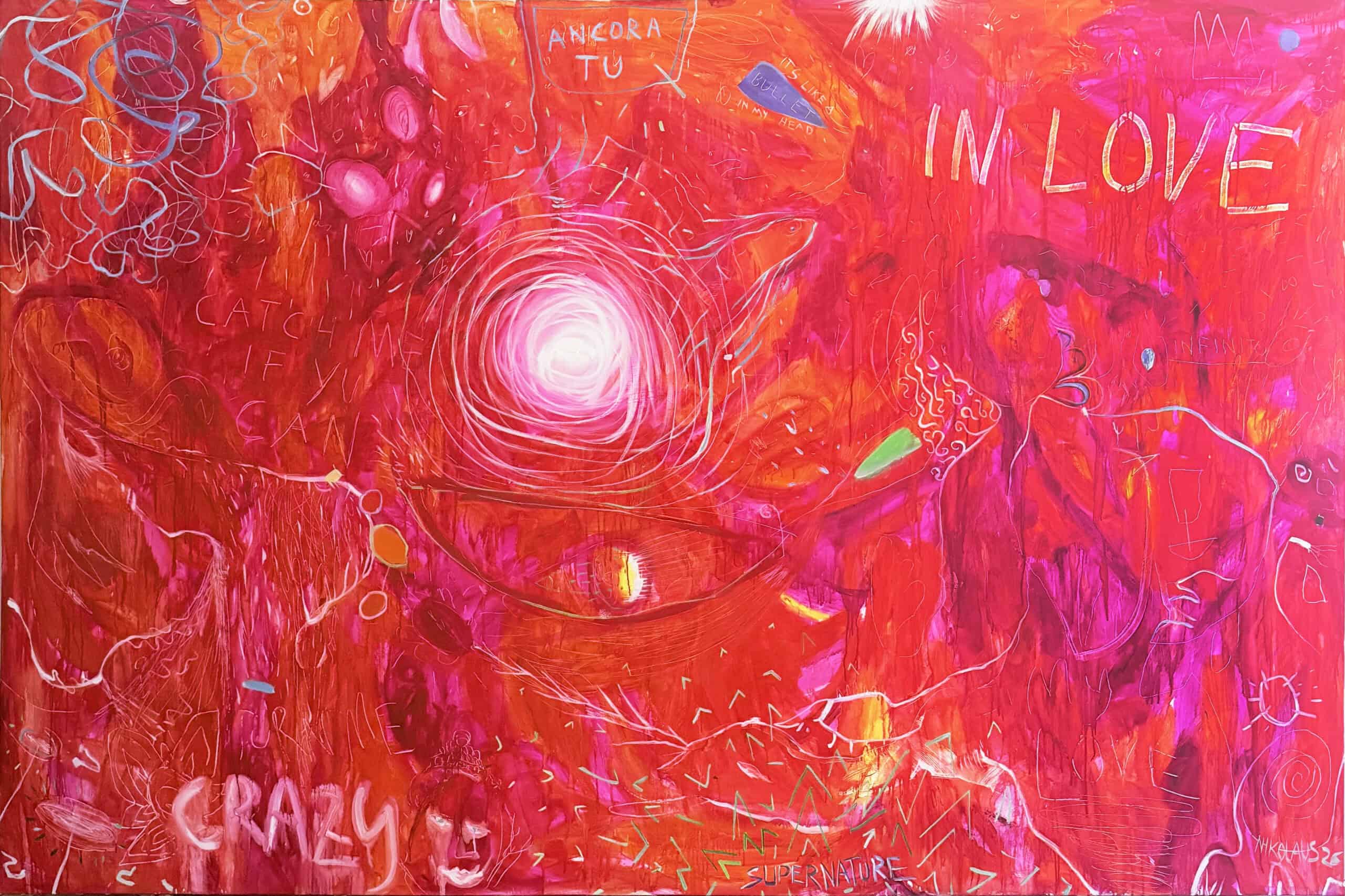
In Love (2026) – Oil on canvas • 200 x 300 cm
IN LOVE is a large-scale, hand-painted work built through layers of oil paint, drawing, writing and spontaneous marks. Love appears not as a romantic motif, but as an energetic state — intense, contradictory, charged and full of life.
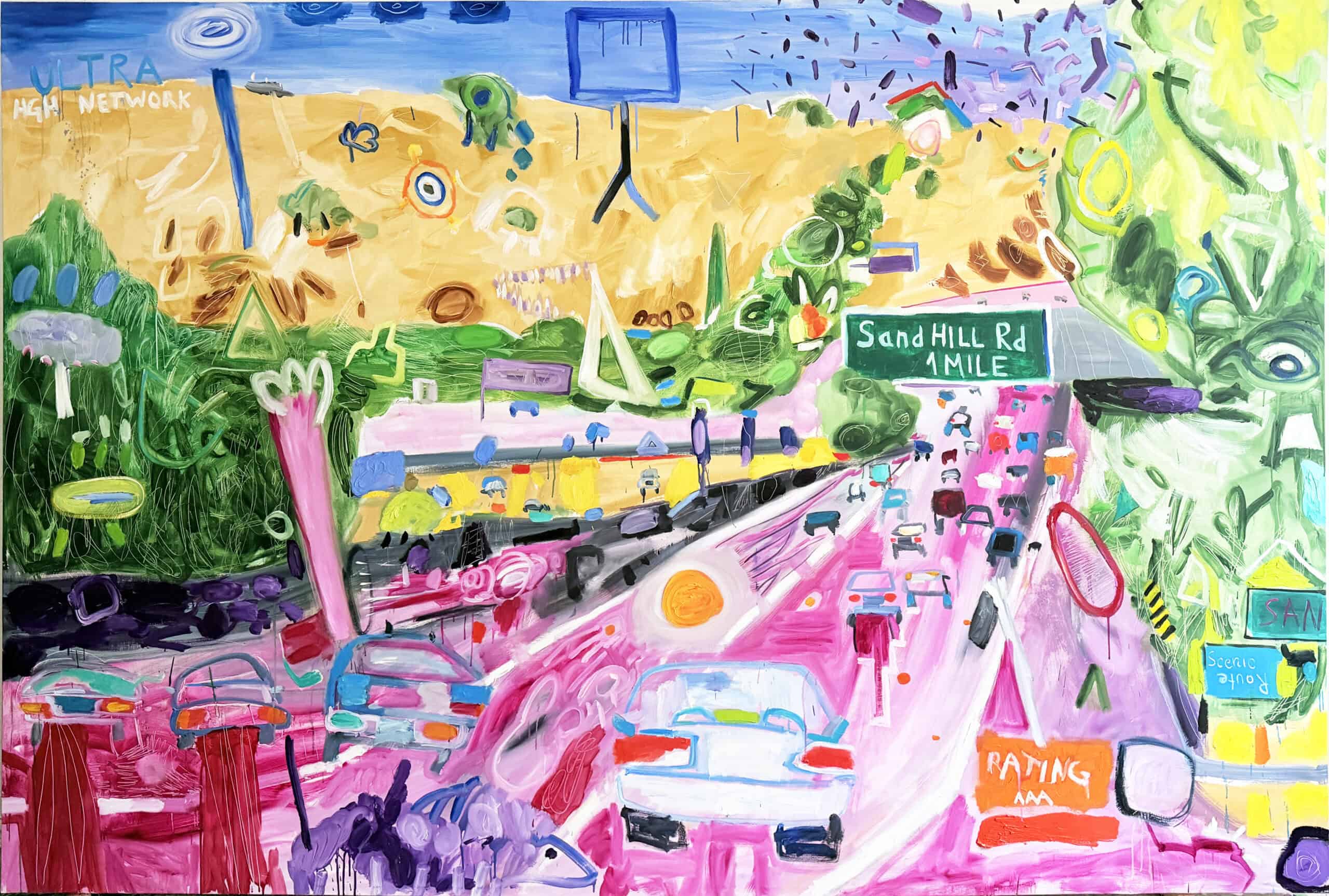
Sand Hill Rd 1 Mile (2026) – Oil on canvas • 200 x 300 cm
SAND HILL RD 1 MILE refers to the Silicon Valley road synonymous with venture capital, technology and extraordinary wealth. Hand-painted layers of color, signs and fragmented imagery transform capital flows, investments and networks into an open, almost cosmic landscape.
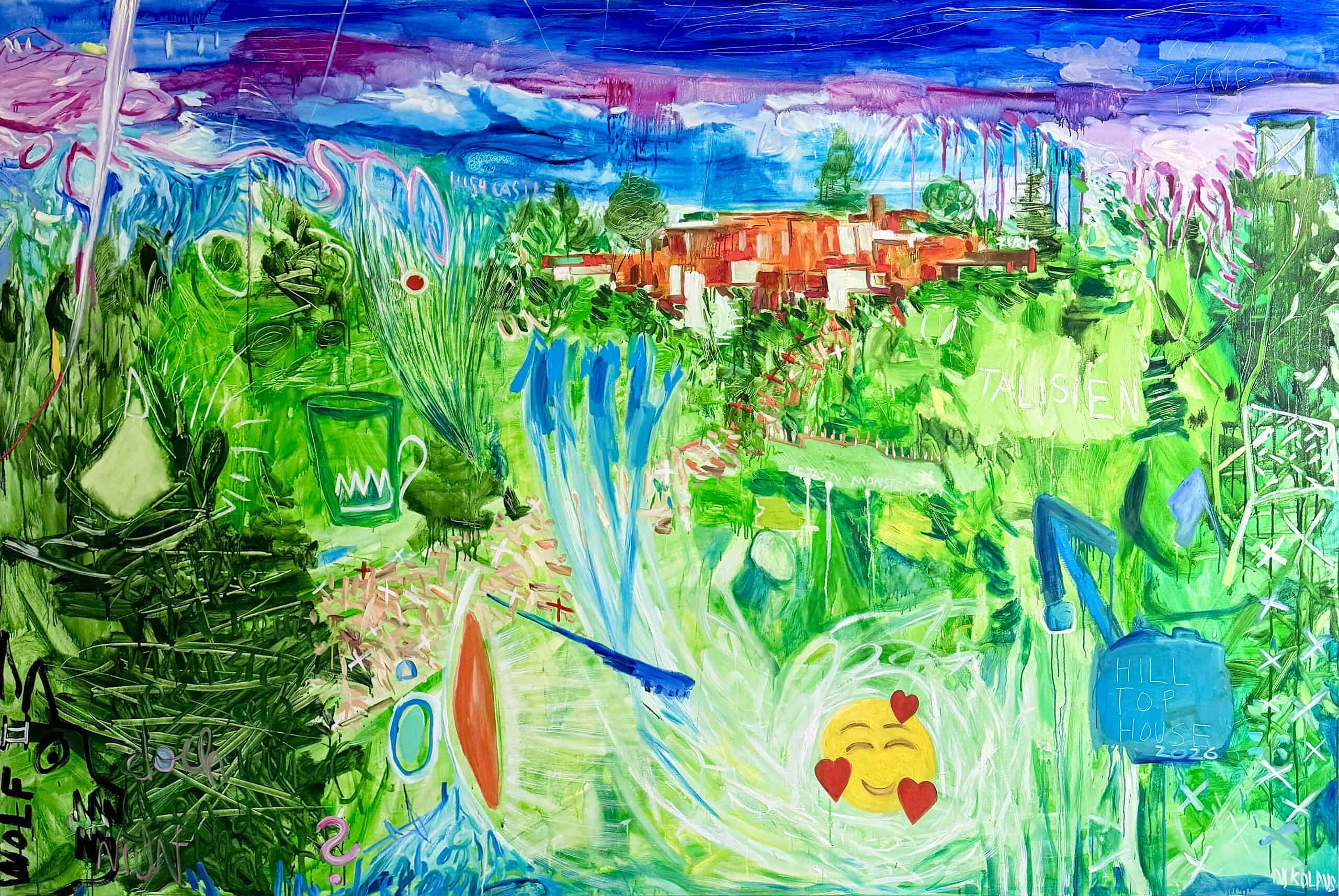
Hill Top House (2026) – Oil on canvas • 200 x 300 cm
Hill Top House creates a visual space between architecture, nature, desire and protection. Its point of departure is Taliesin, Frank Lloyd Wright’s estate, and its literary transformation in T. C. Boyle’s novel The Women.
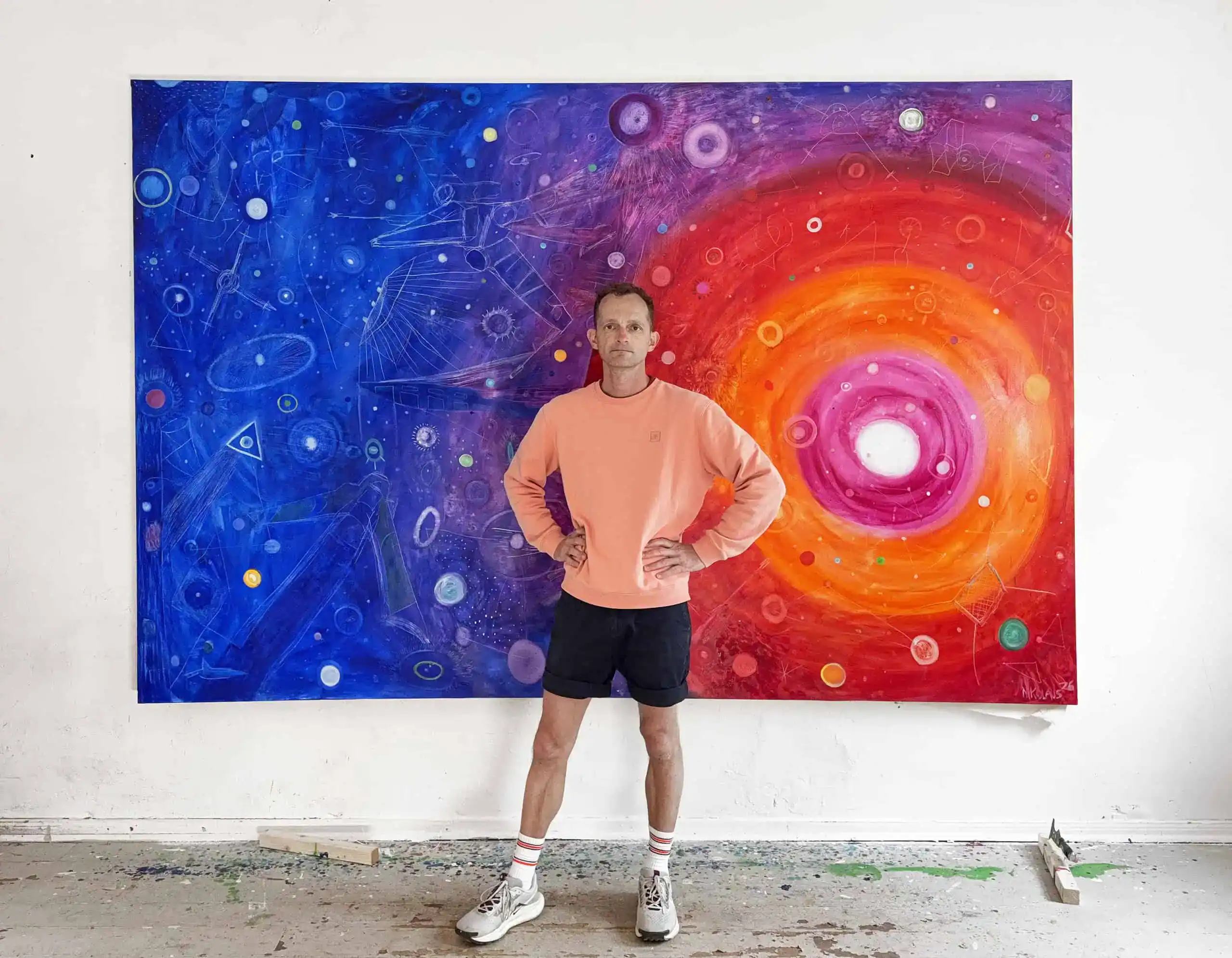
HOW IT ALL BEGAN (2026) – OIL ON CANVAS • 200 X 300 CM
HOW IT ALL BEGAN revolves around the idea of origin—the moment when light, energy and motion give rise to the first forms of order. The painting unfolds between two poles: a deep cosmic blue and a glowing red sphere reminiscent of a supernova, a stellar core or the beginning of a universe.
About Nikolaus Kriese
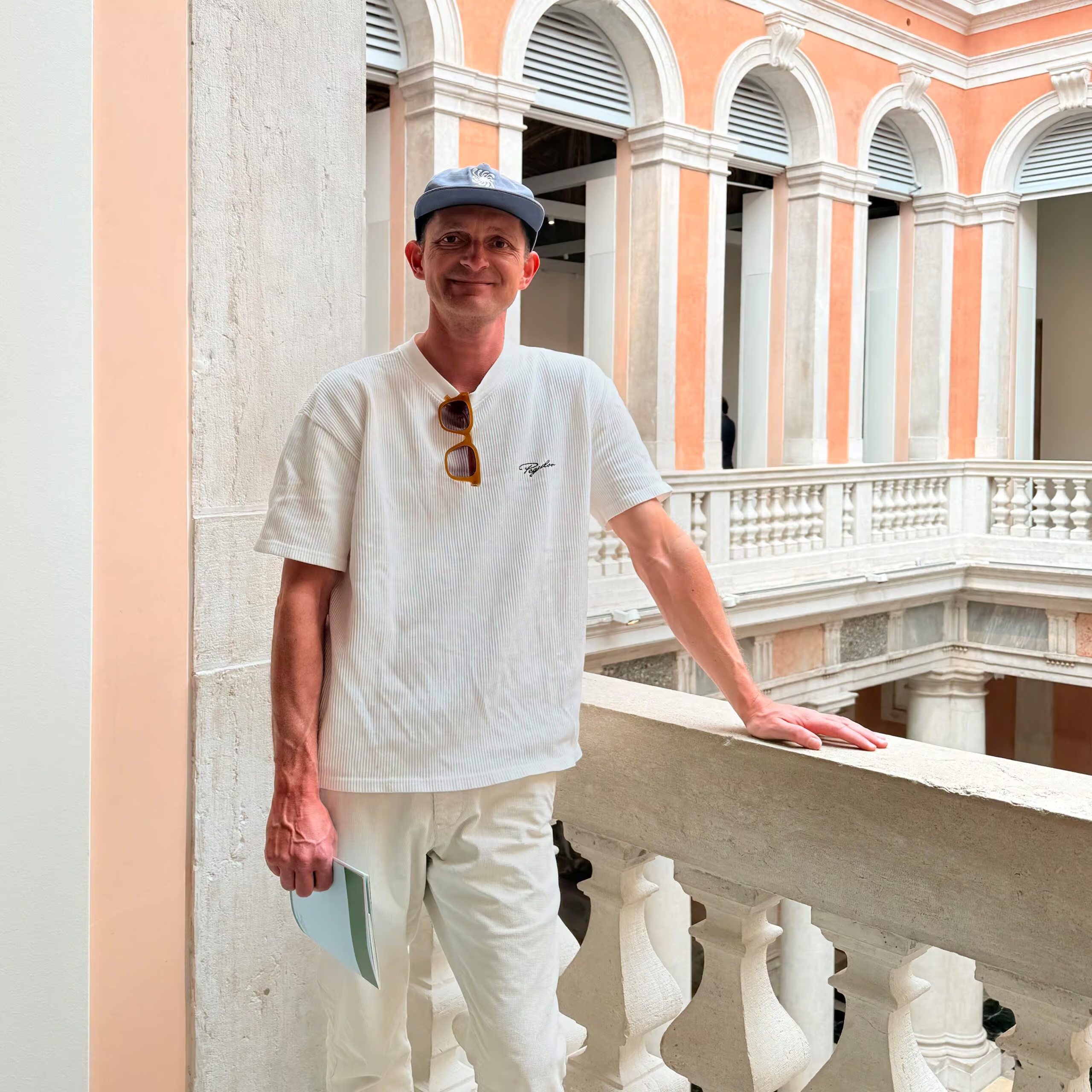
Nikolaus Kriese has worked as a painter since 1995.
After attending the Kunstinternat Wettin, he trained as a professional theater painter in Erfurt and Berlin from 2003 to 2006. His background combines traditional painting techniques with decades of experience working across different scales, materials and artistic contexts.
His current independent practice focuses on contemporary painting between abstraction and figuration. Gesture, writing, architecture, landscape and fragments of contemporary culture repeatedly enter the work.
Nikolaus Kriese lives and works in Erfurt, Germany, and works internationally.

