Artist & Painter – International Commissioned Paintings
I have dedicated over 25 years to creating original oil paintings, deeply rooted in traditional techniques and continuous exploration of form and expression. My work is informed by observation, craftsmanship, and personal engagement with each commission.
International Commissions
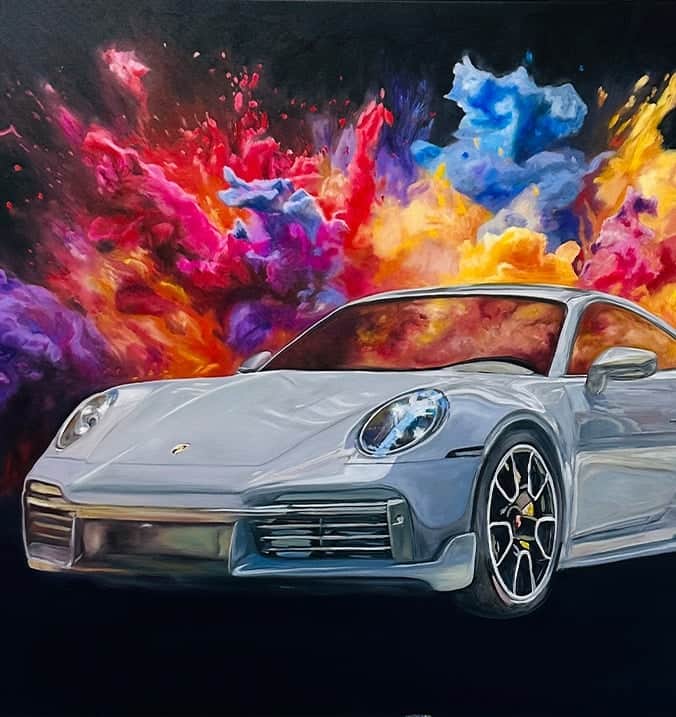
My practice is focused on custom painting projects worldwide — ranging from large-scale interiors to personal portrait commissions.
ABOUT MY WORK
Since 1995, I have been working as an independent artist and commissioned painter for private collectors, companies, and institutions worldwide.
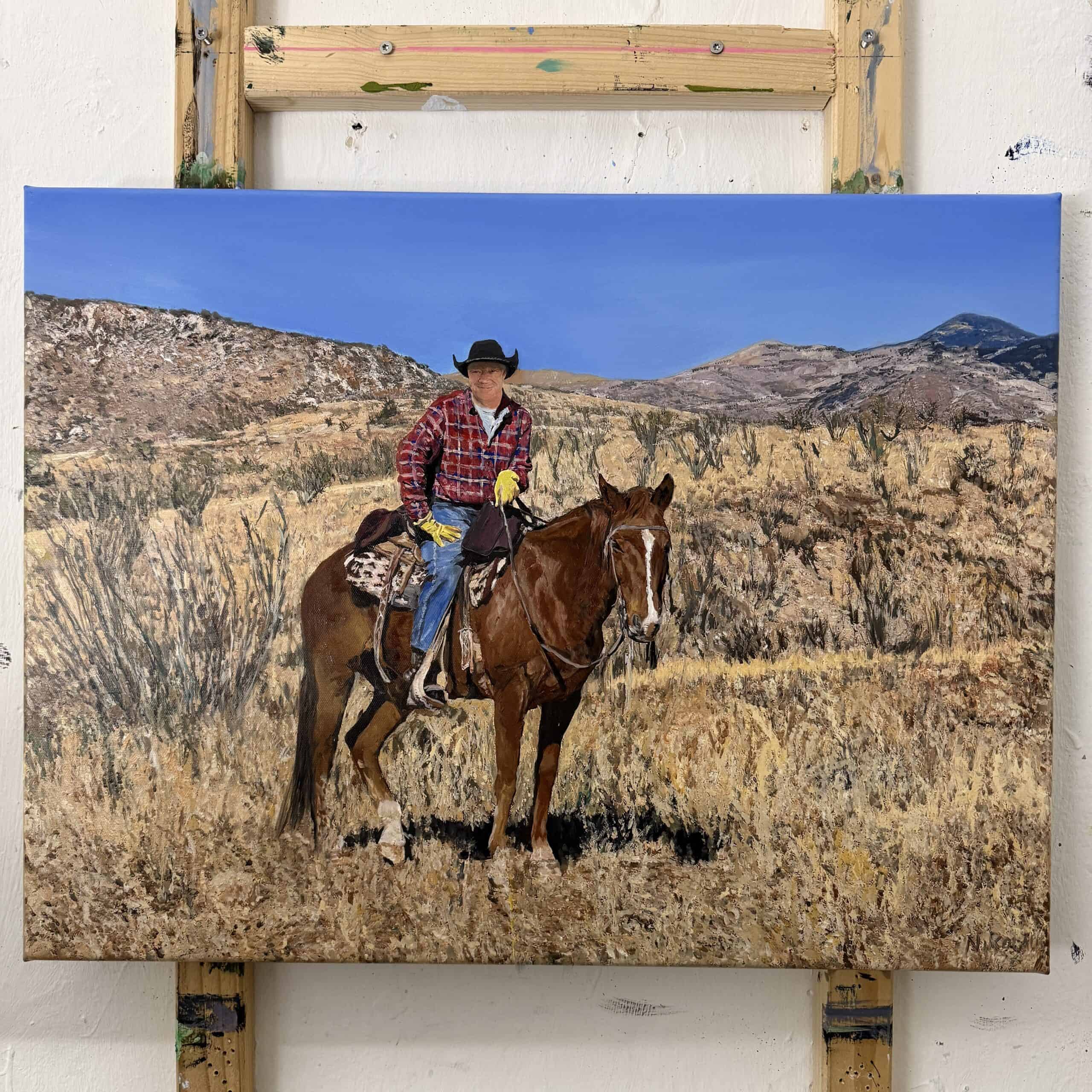
My work ranges from contemporary fine art to bespoke commissioned paintings and portraiture. I create acrylic and oil paintings in a wide variety of formats – from large-scale canvases to highly detailed portraits. Each piece is a unique work, developed in close dialogue with space, theme, and client.
For me, painting is presence, not illustration. I focus on materiality, color, and the physical act of painting. Whether figurative or abstract, every work asserts its own reality. My goal is not decoration, but to create images that transform and enrich a space.
My work takes place between intuition and structure – guided by craftsmanship, experience, and a deep understanding of form. It moves between surface and depth, color and stillness.
In addition to fine art painting, I also create wall pieces, murals, façade works, and interdisciplinary projects in collaboration with science, media, and industry.
My artworks are held in private collections across Europe, North America, Asia, and the Middle East, and I regularly work with international companies, cultural institutions, and design studios.
Autonomy as Practice
Today, it is less about continuing existing models of art production and more about developing new forms of artistic practice. Art cannot be defined solely by market mechanisms or institutional structures—it must repeatedly detach itself from them in order to preserve its independence. Production in the sense of mere commission work falls short; what matters is a practice that asserts itself as autonomous.
I have been working within this tension for over 30 years—with a studio that combines commissioned painting and independent artistic work, yet operates outside traditional market logic. This independence is not a contradiction to professionalism; it is its foundation. It has enabled me to develop my own artistic niche and consistently paint what I want—not what is expected.
A traditional academic art education is not essential. What matters is experience: an ongoing engagement with material, context, and one’s position within the social sphere. Art is not only individual expression but also a social practice—it responds to societal conditions and feeds back into them.
In an increasingly professionalized art world, it becomes even more important not to fully conform to standardized systems of production and exploitation. The real task is to continuously rethink artistic work—as a process of self-empowerment, autonomy, and ongoing reinvention.
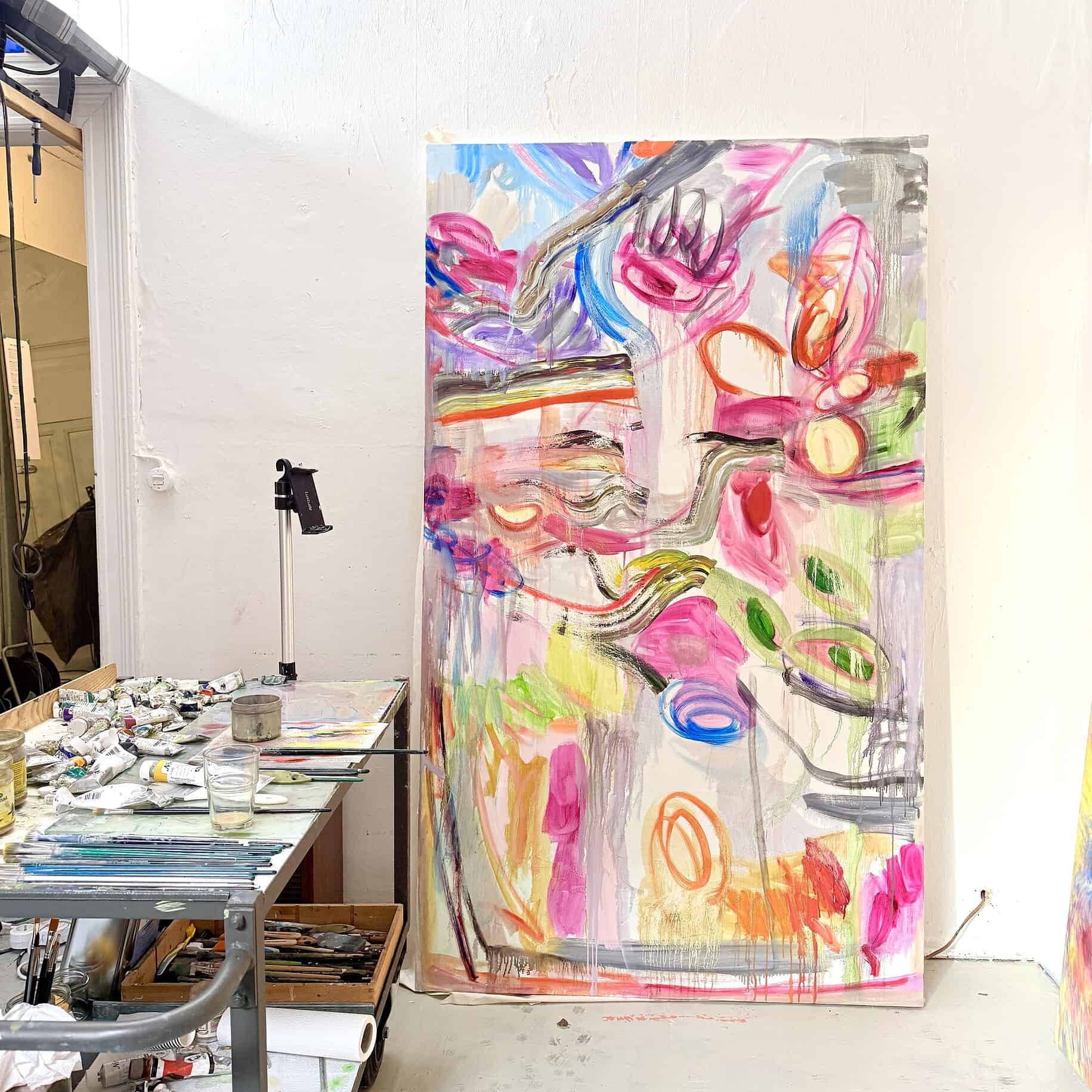
Recent Works
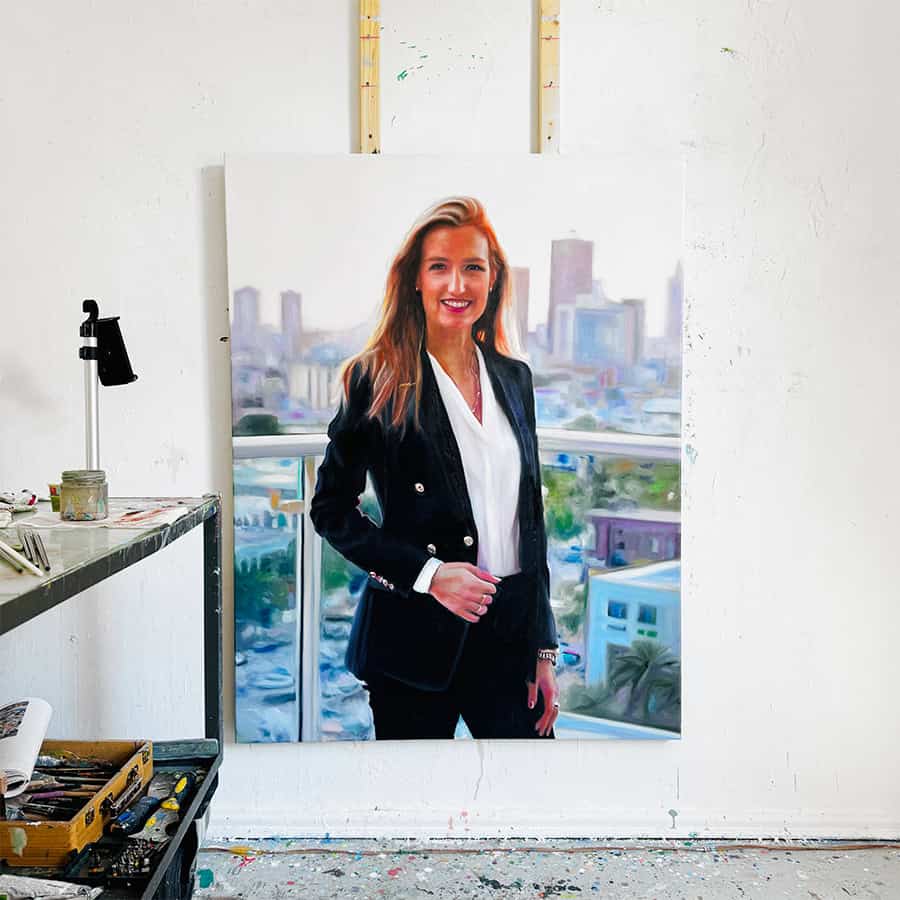
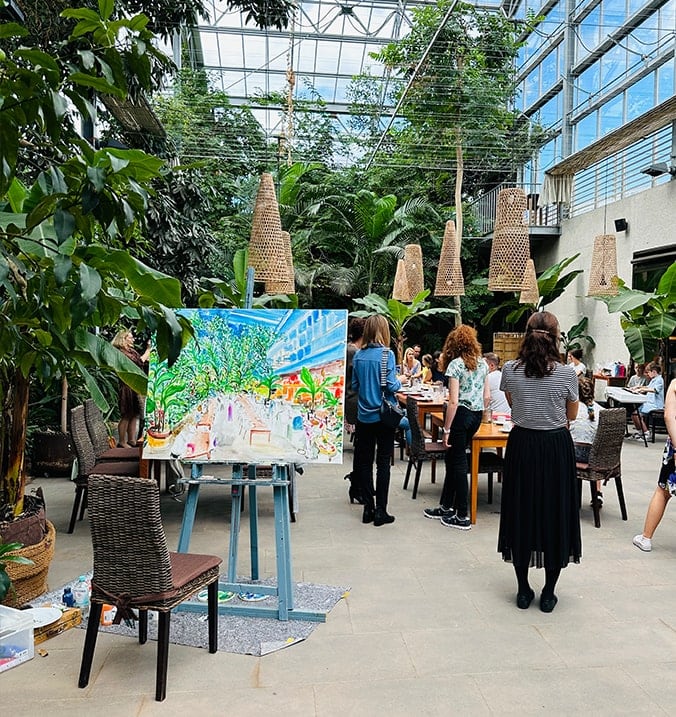
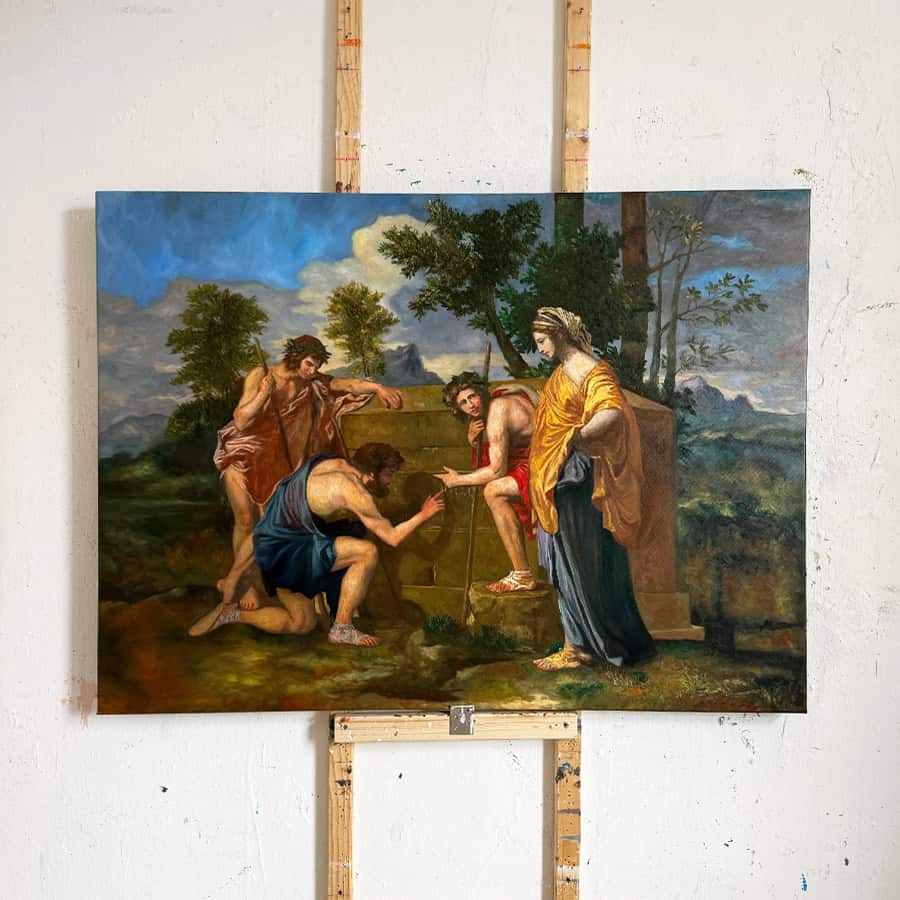
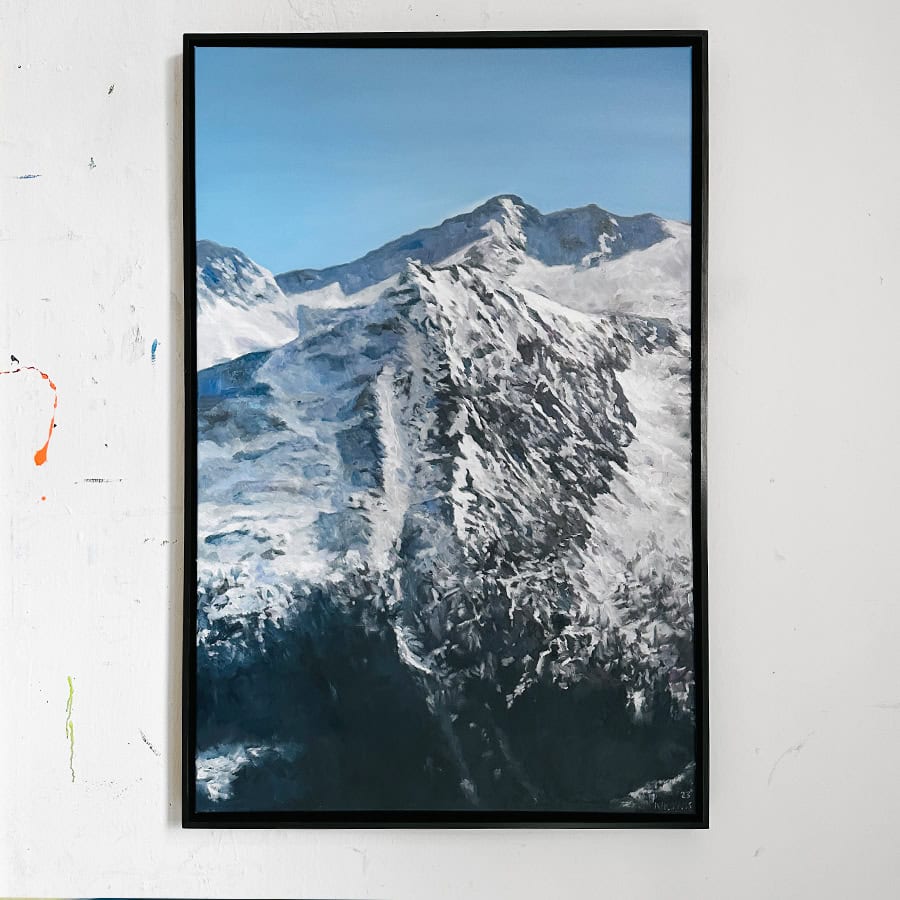
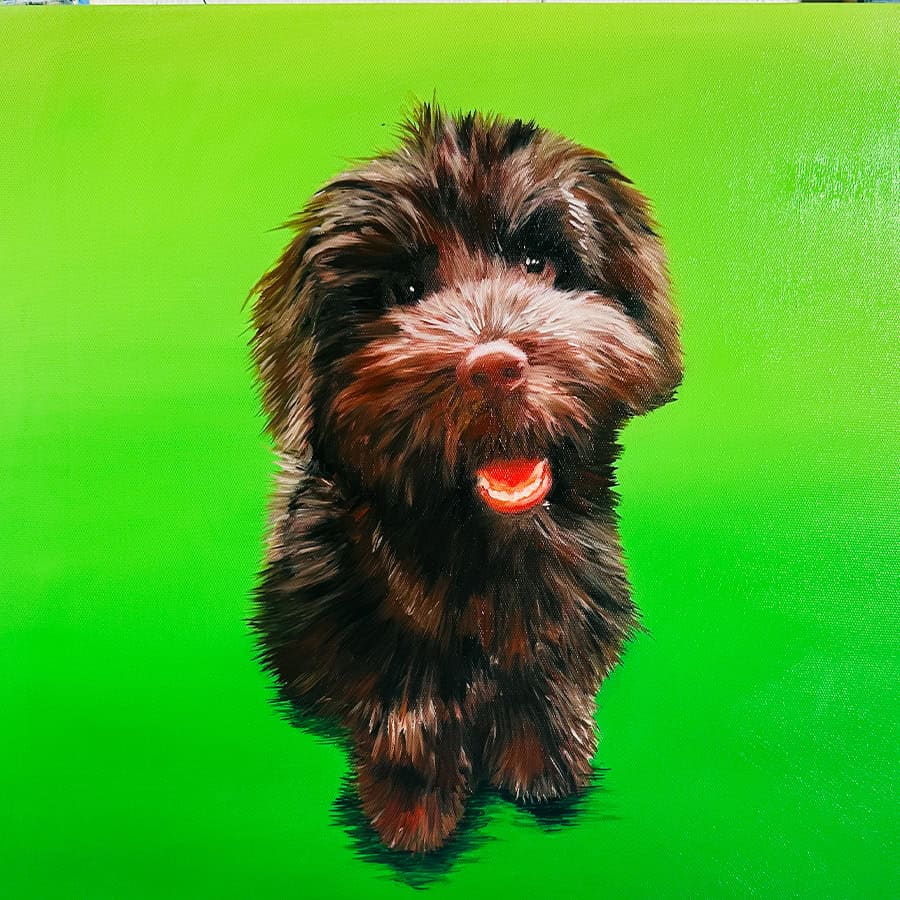
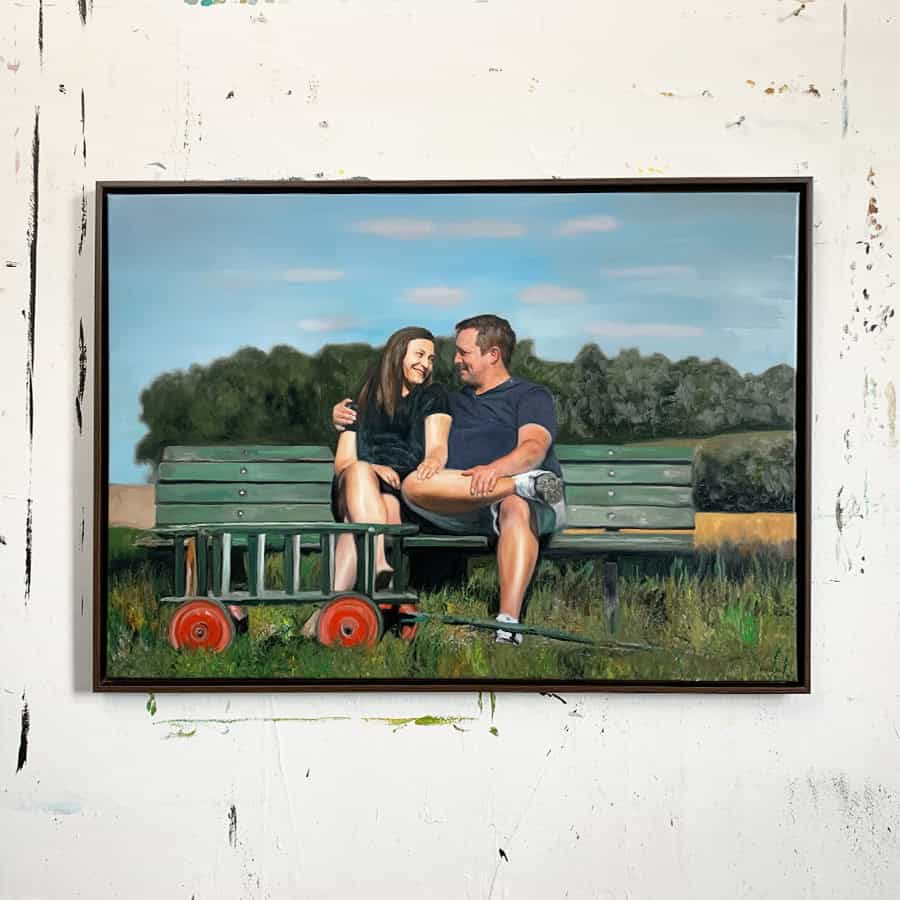
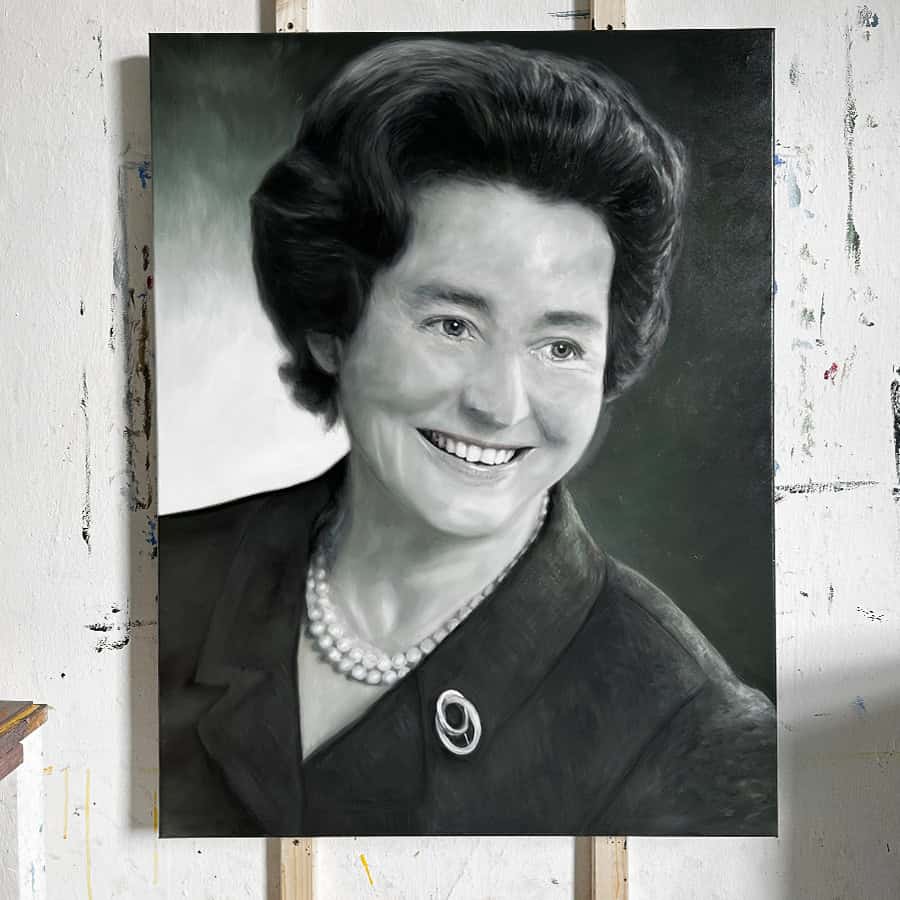
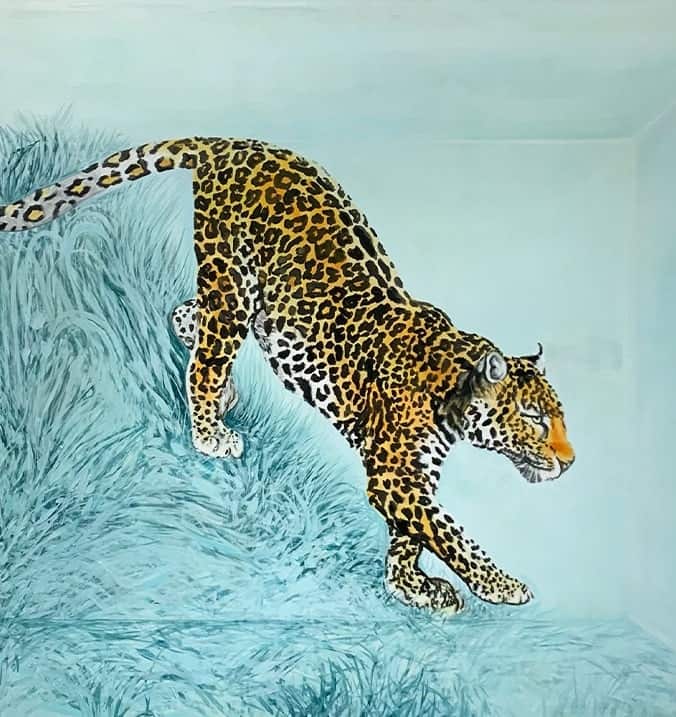
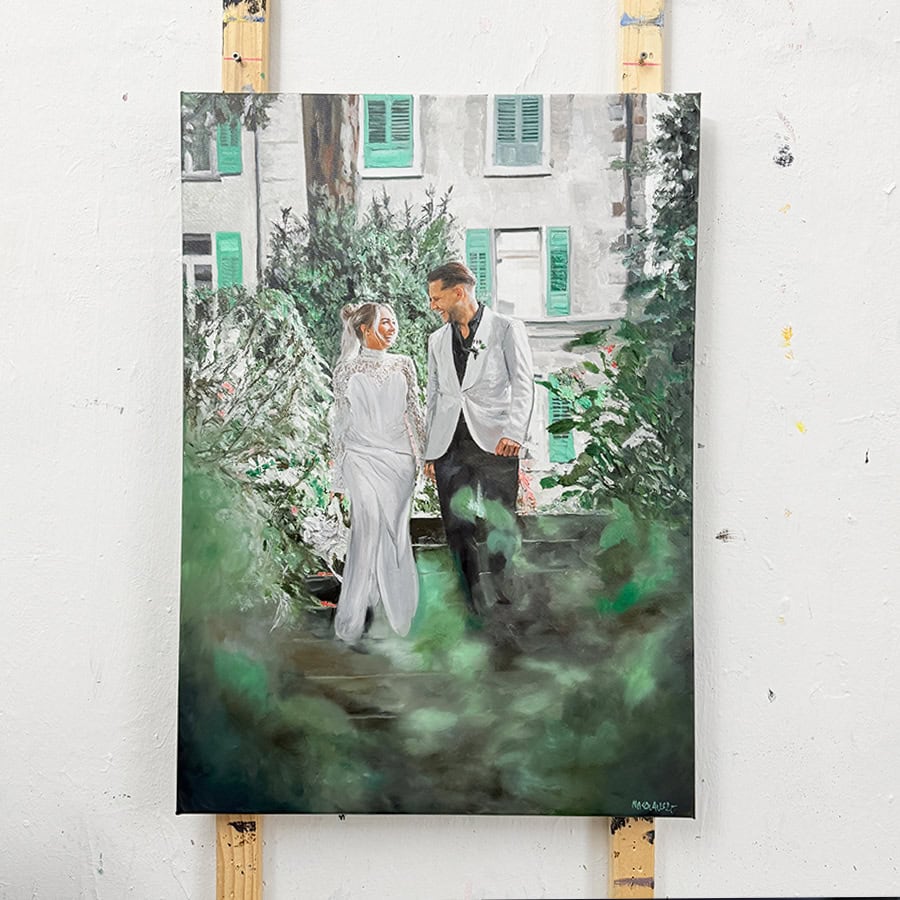
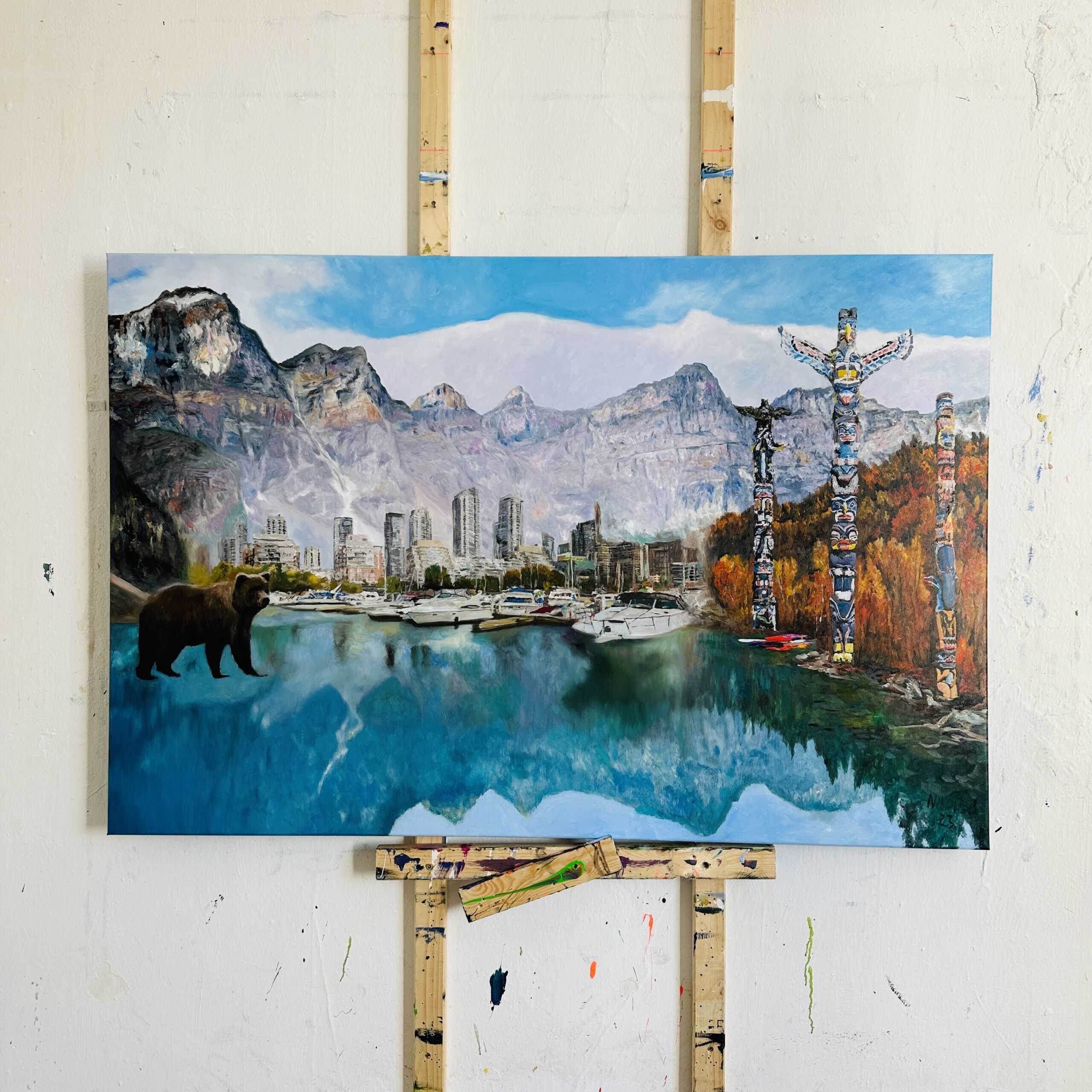
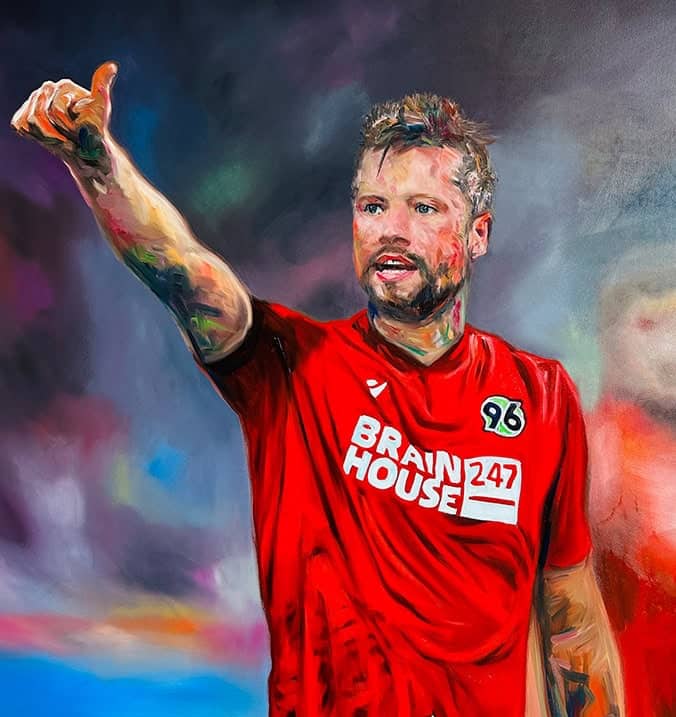
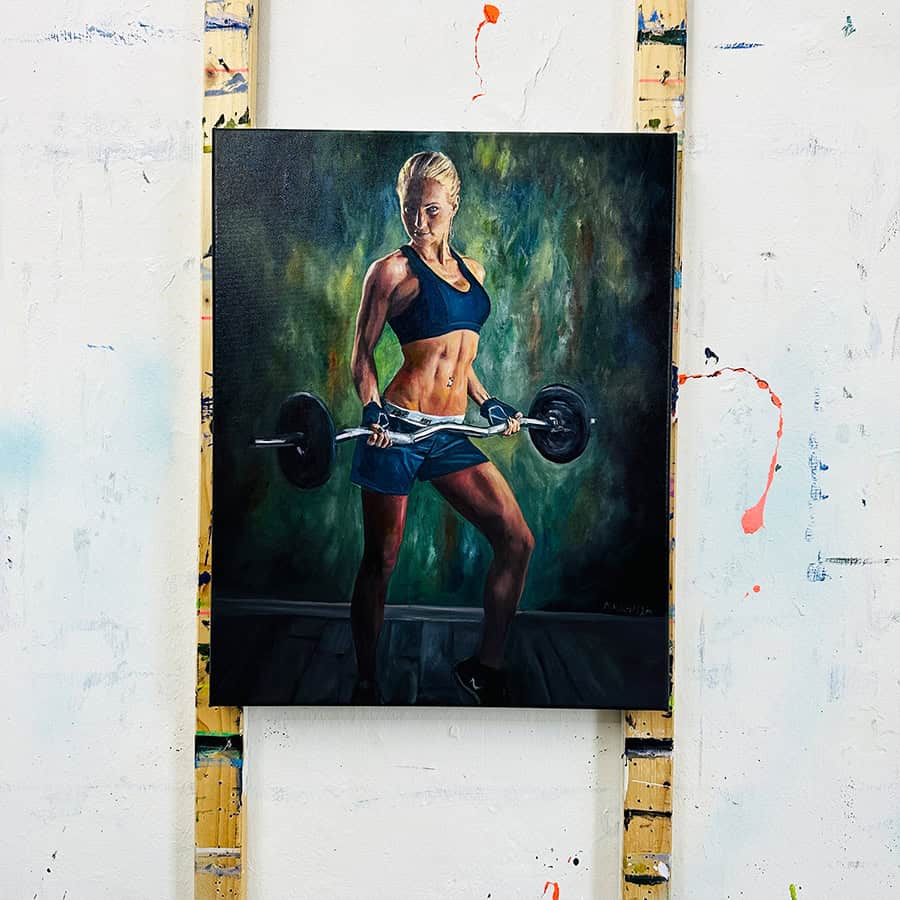
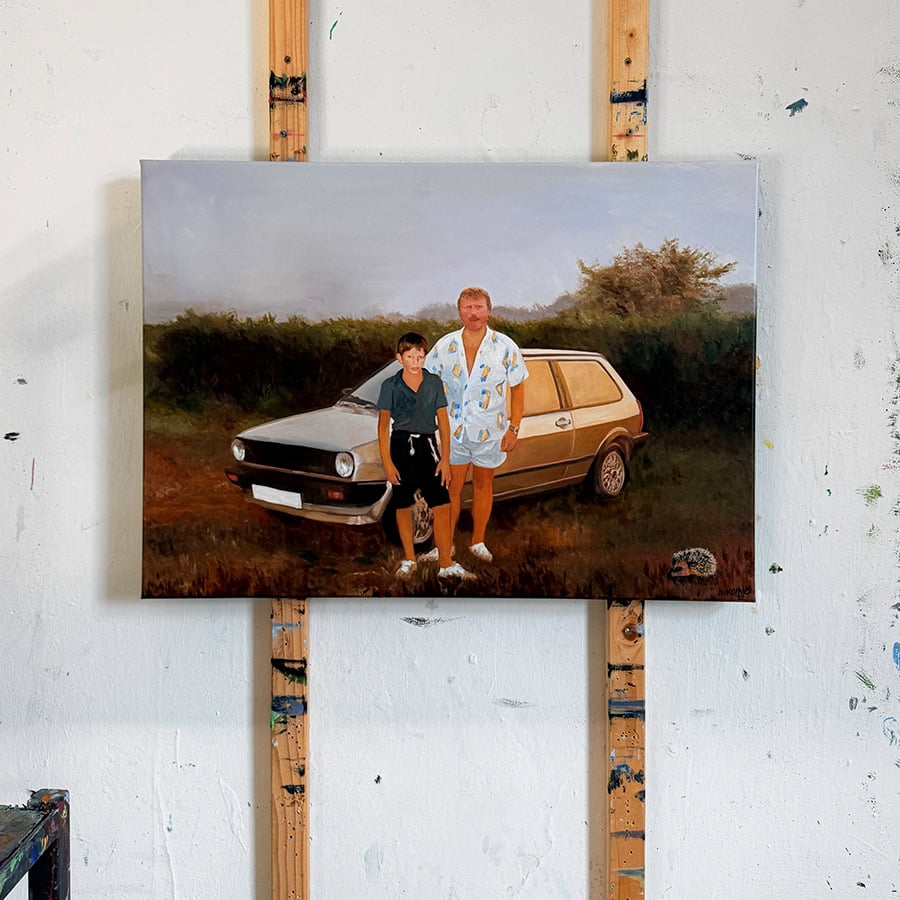
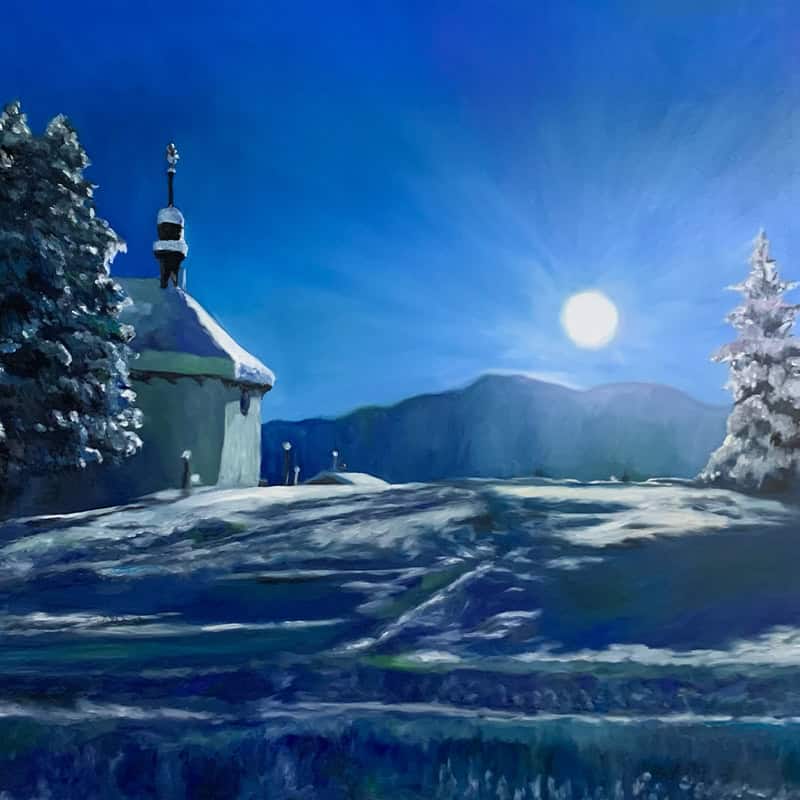
A selection of original paintings created for clients around the world.
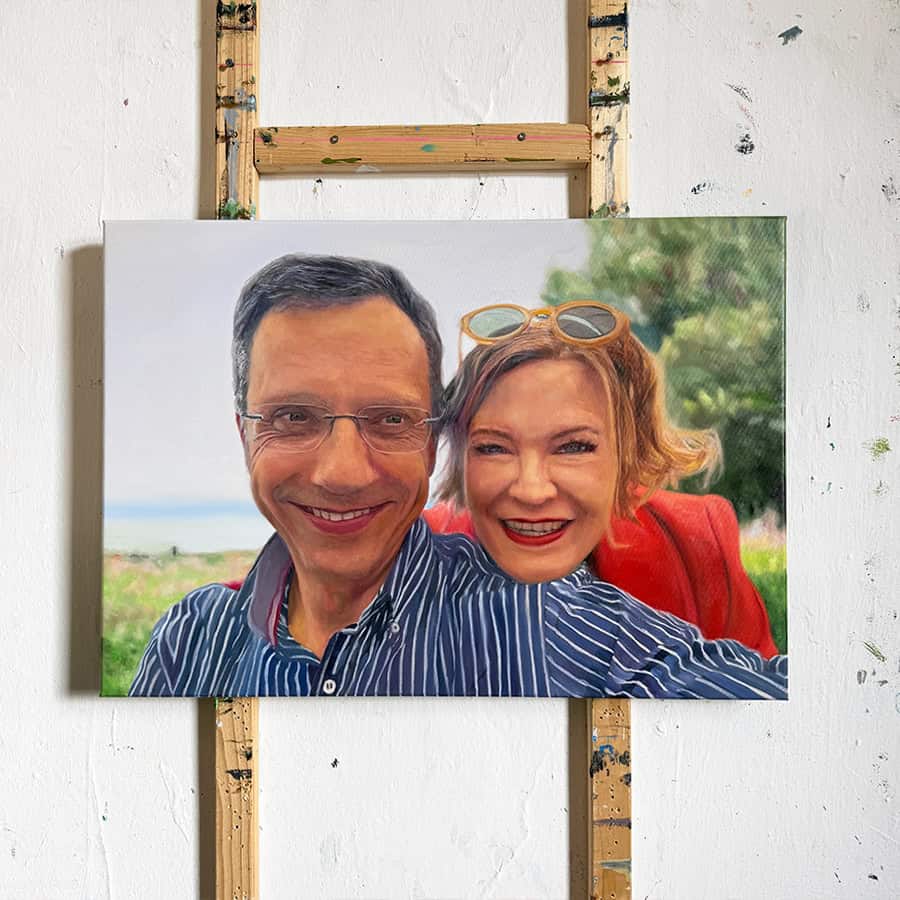
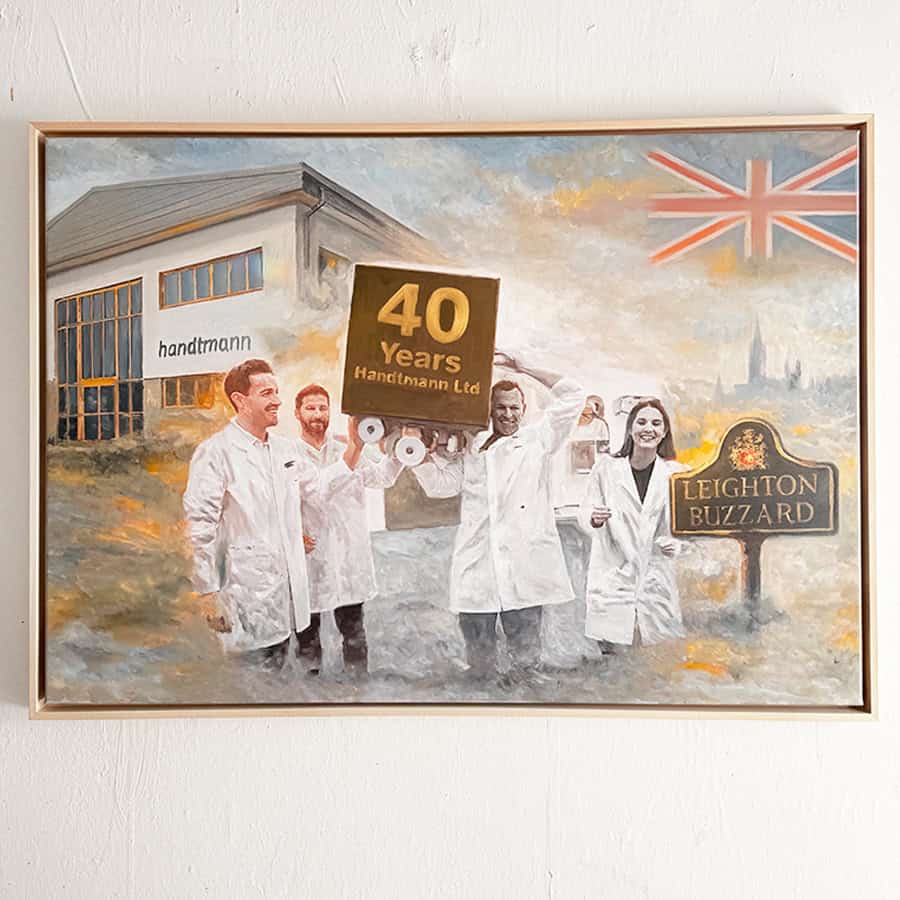
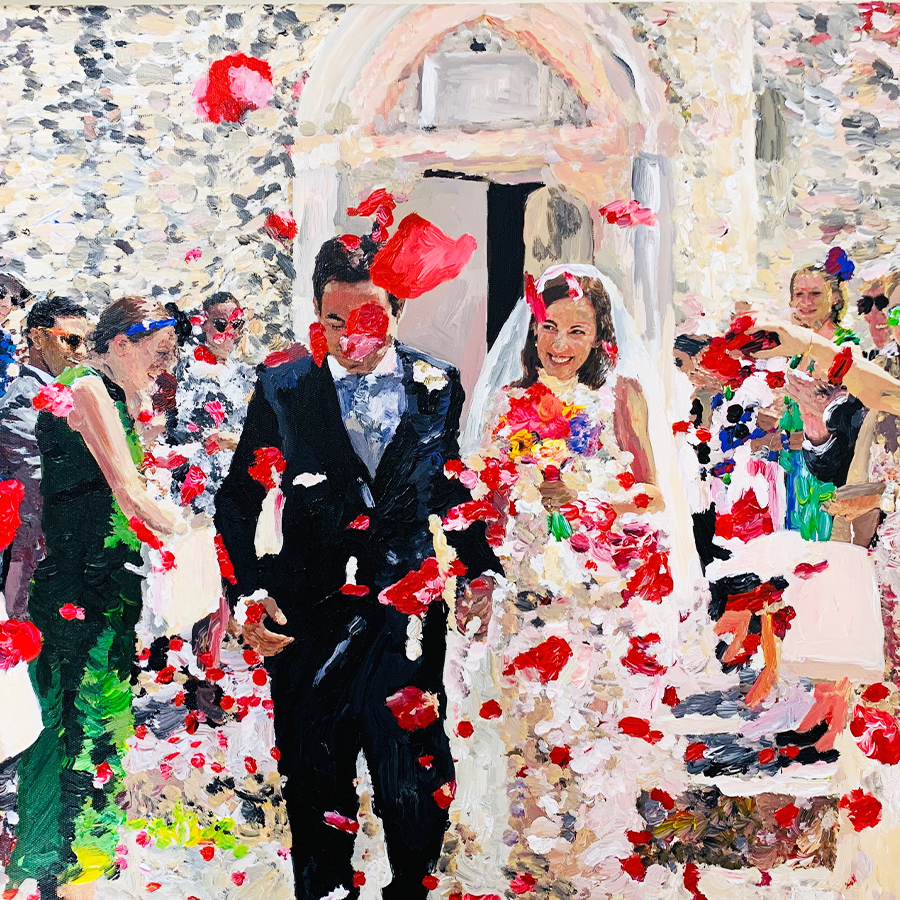
From Commissioned Work to Independent Studio Practice
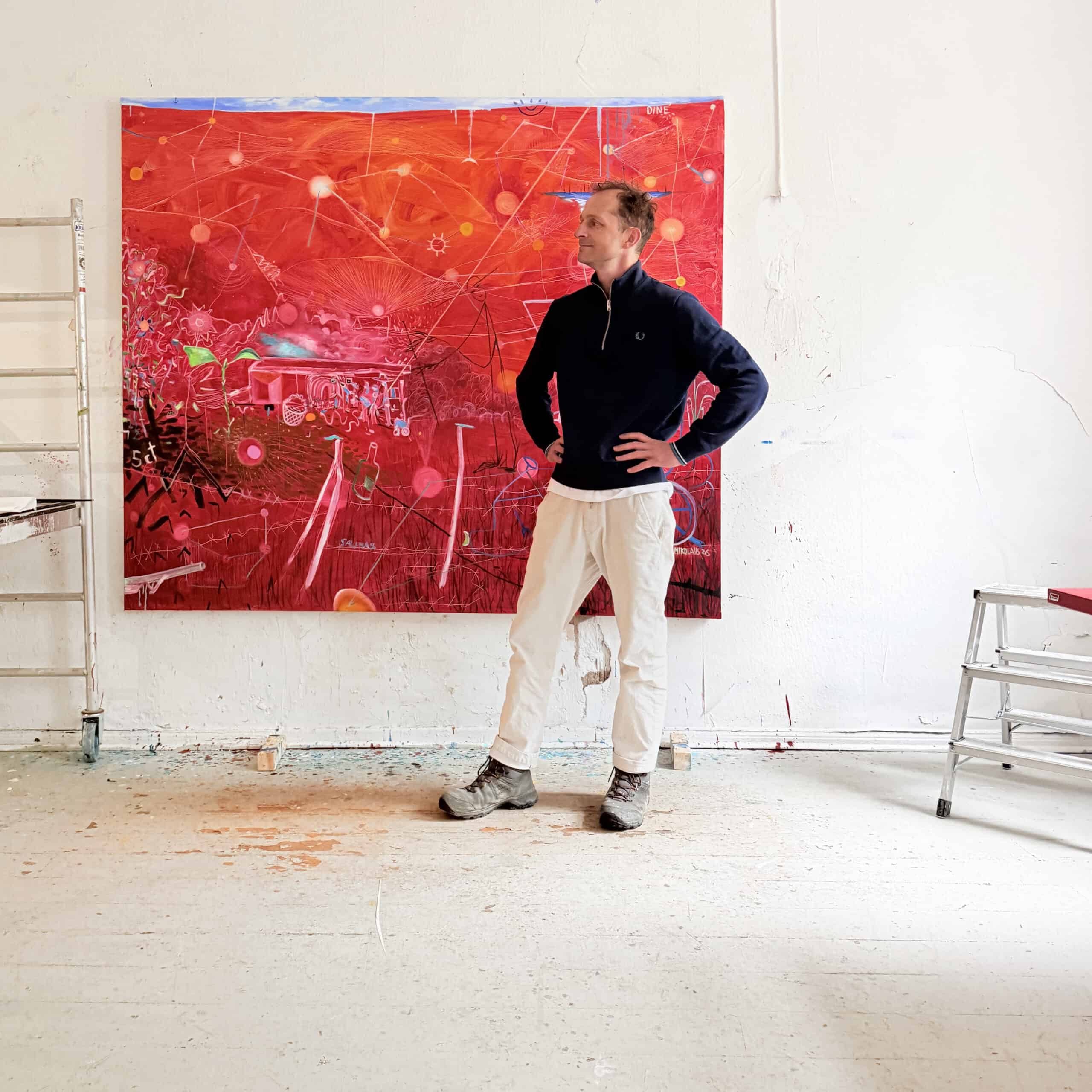
Alongside commissioned work, my independent studio practice has been evolving continuously since 1995. Numerous exhibitions and artistic scholarships have shaped and strengthened my painterly language over the decades.
These free works form the conceptual and aesthetic foundation of my practice. The exploration of color, structure, and emotional tension within my independent paintings directly informs every commissioned portrait and custom artwork.
Between Clarity, Dissonance, and Free Gesture
2002 – present
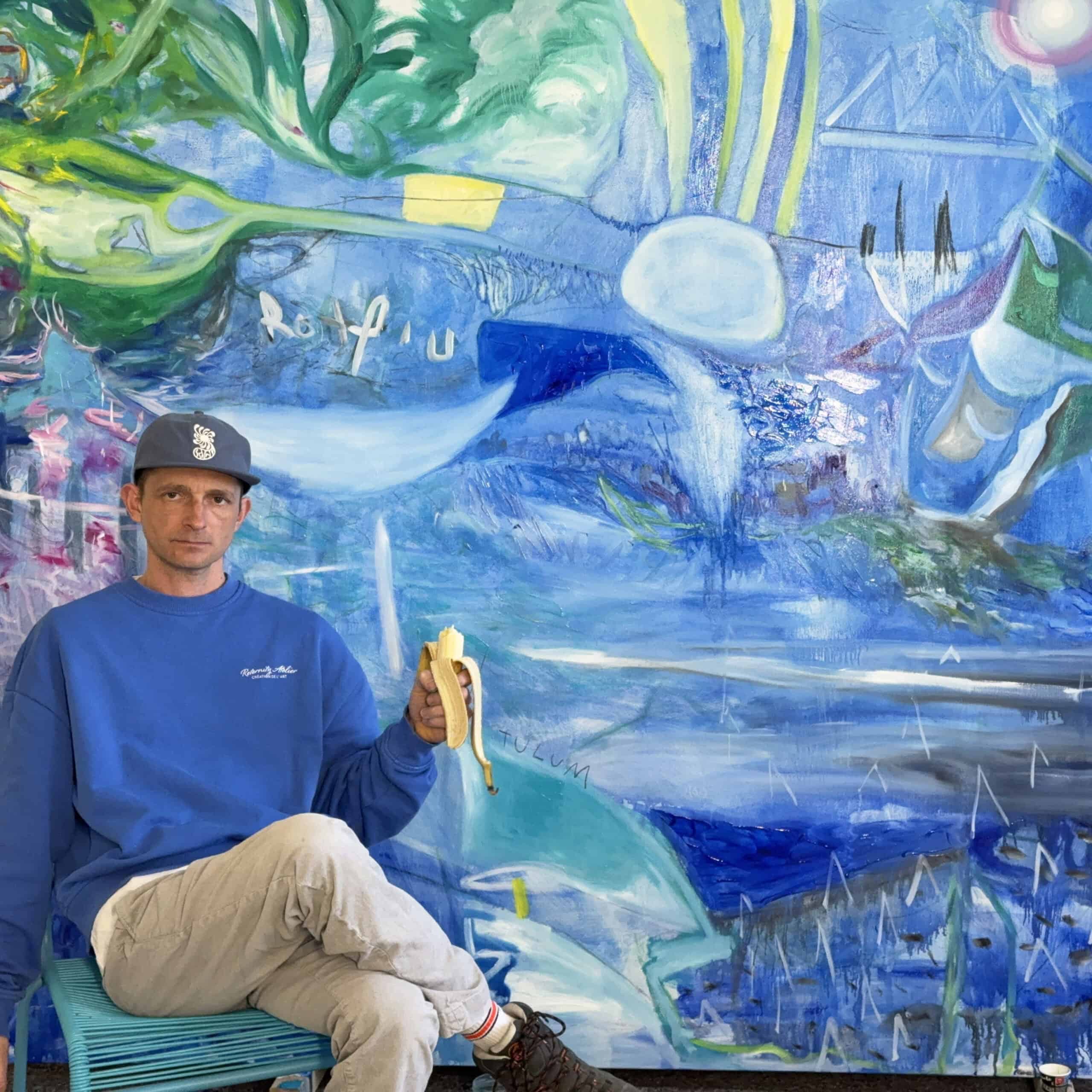
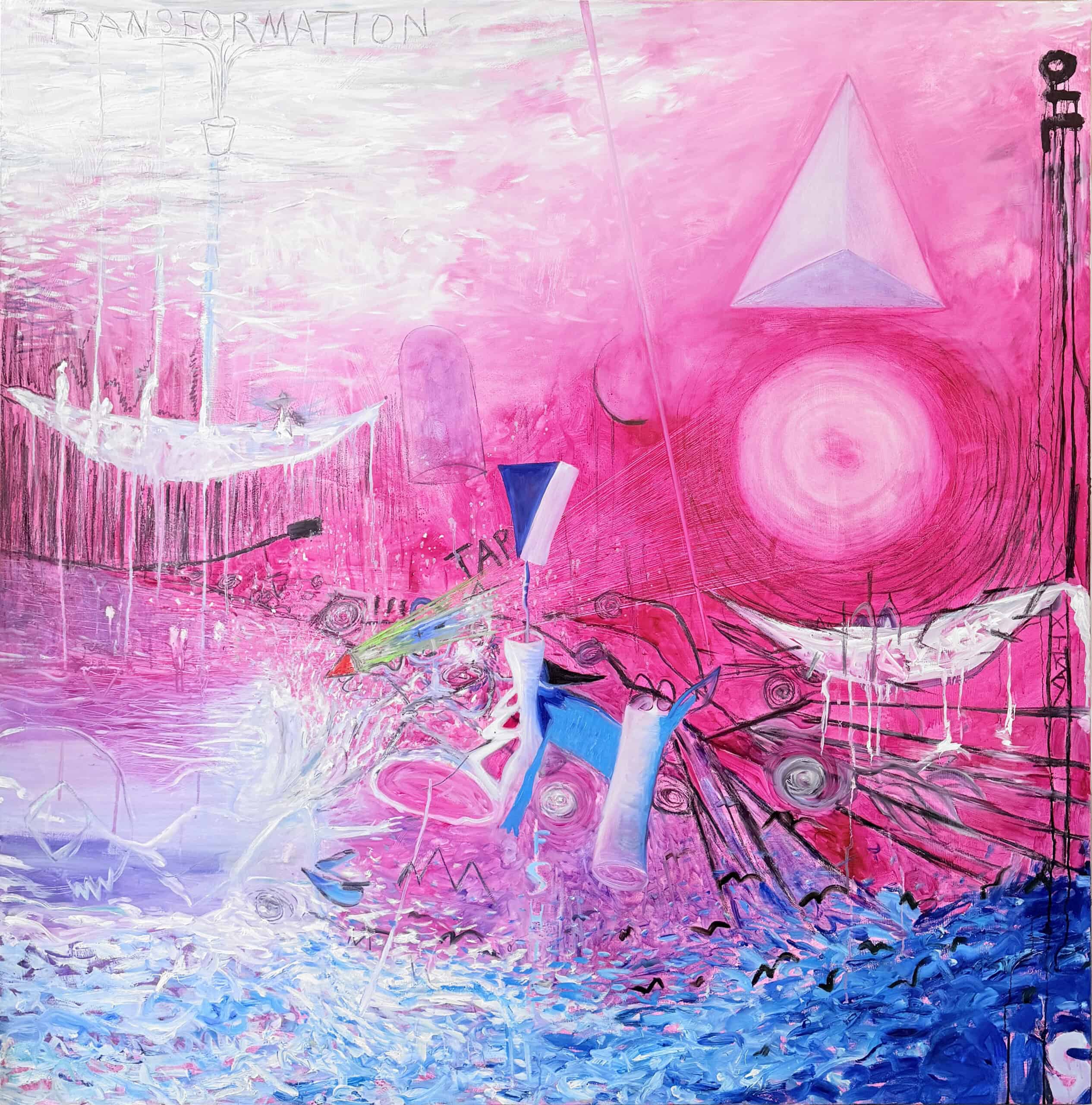
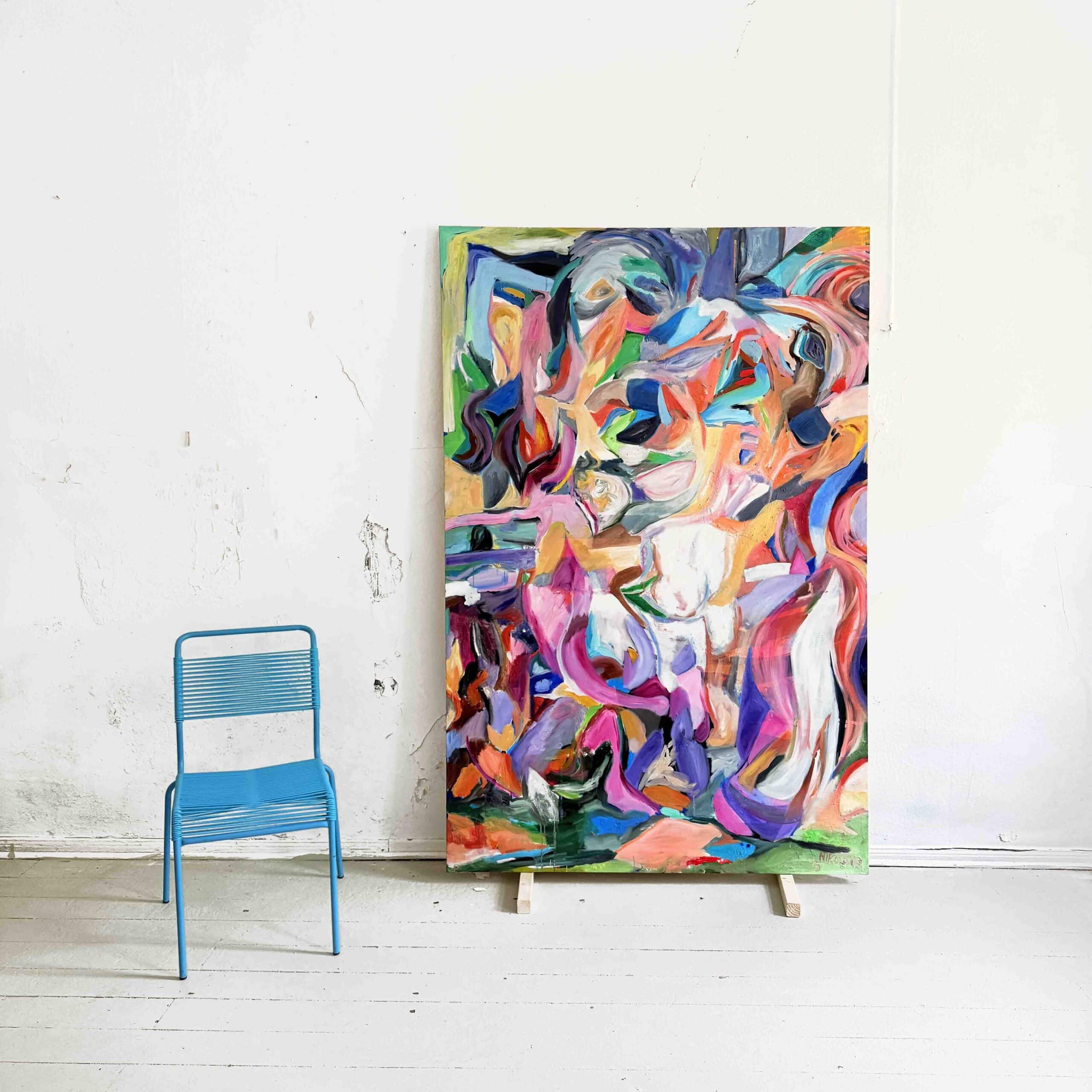
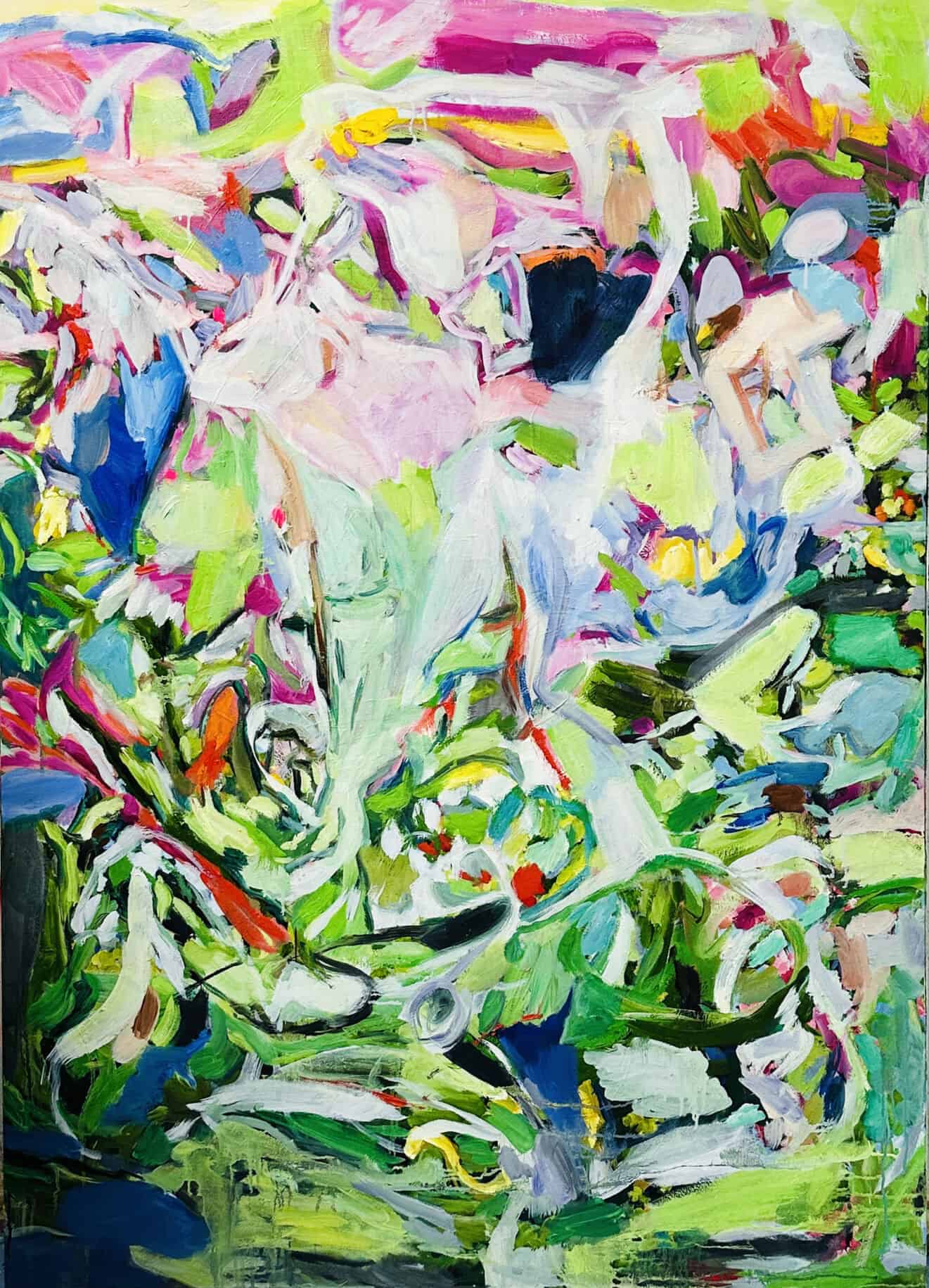
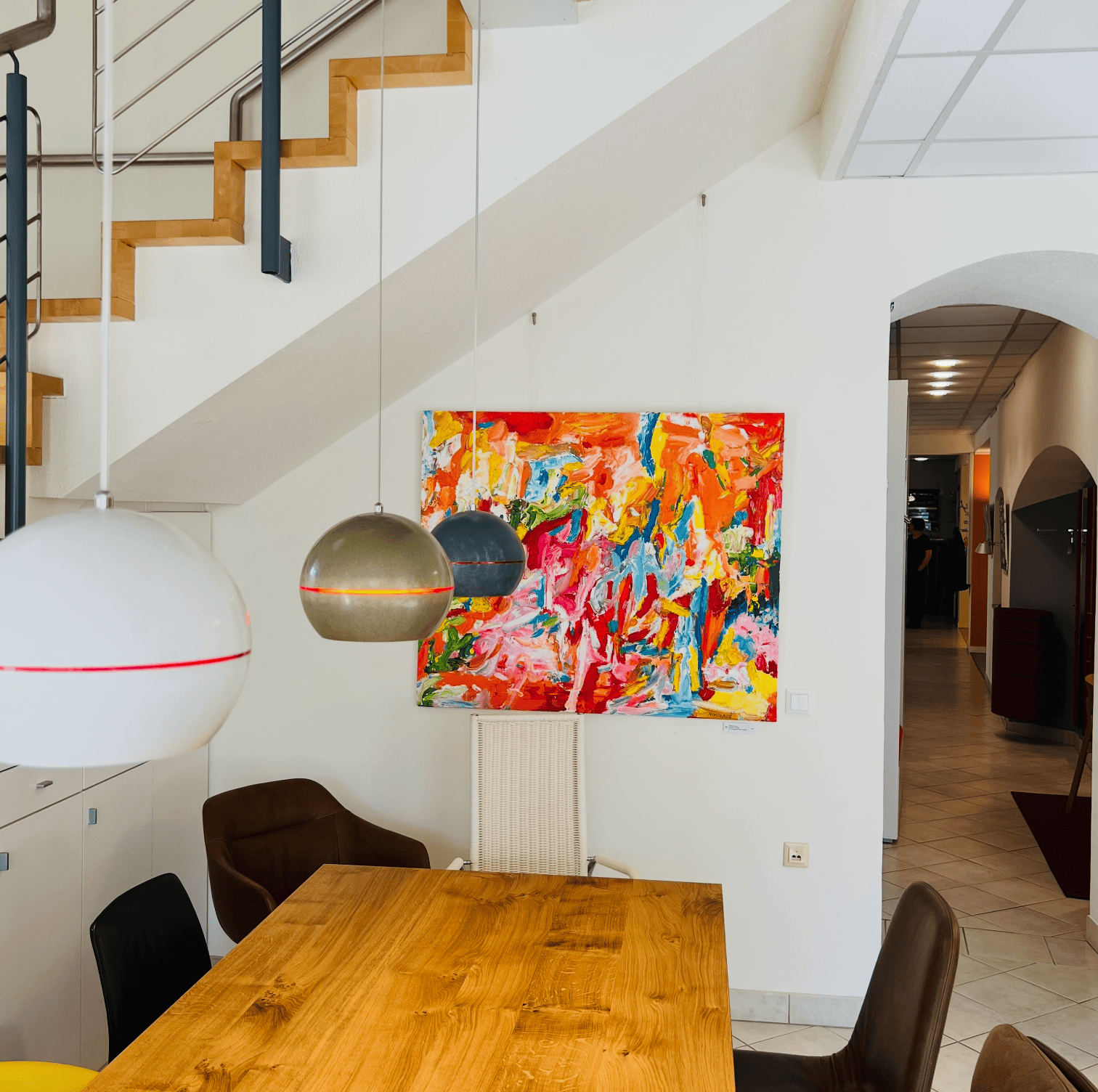
What appears clearly structured and ordered does not always resolve into harmony. In this ongoing body of work, Nikolaus Kriese explores the tension between order and deviation, between color fields, line, and emotion.
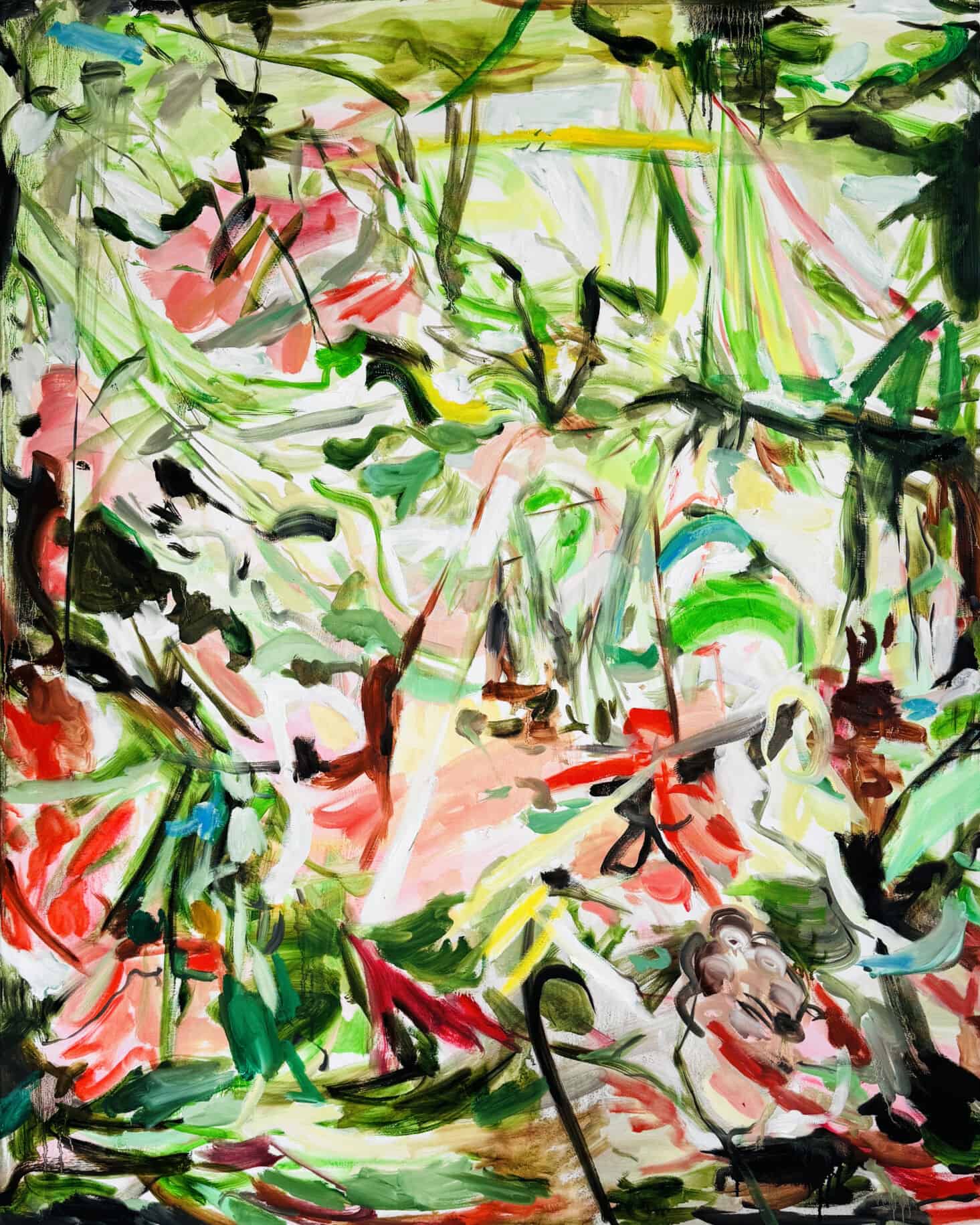
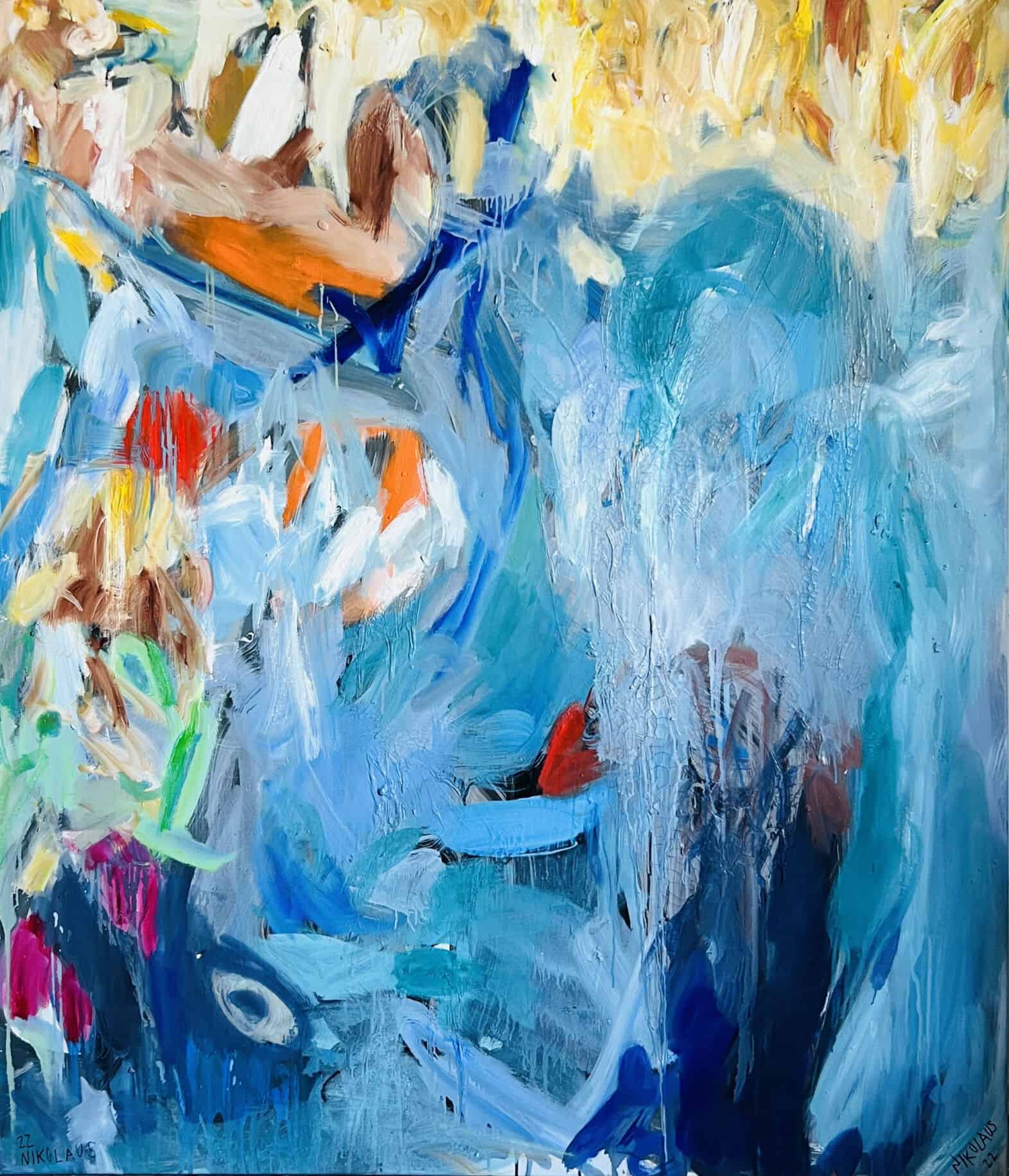
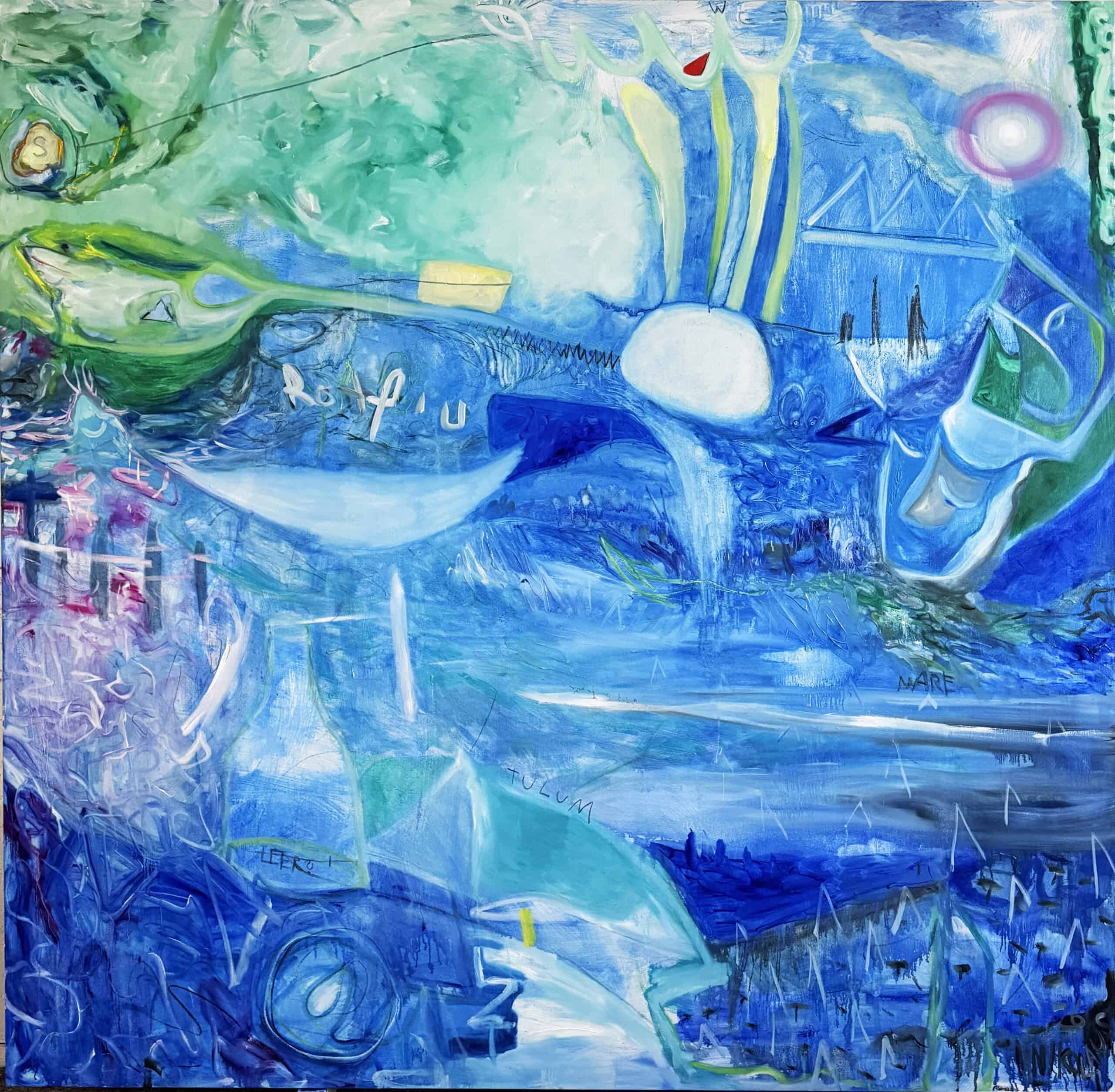
The works are characterized by a vivid, often largely abstract use of color, with clearly defined separations between forms and visual layers. Cool blues frequently dominate, interrupted by dissonant and unexpected color contrasts. The painted surfaces resemble fragmented views of the world or deliberately open-ended color field compositions that resist clear classification.
At the same time, many of these works allude to art historical positions of more recent periods—sometimes as quotation, sometimes as playful disruption. Accordingly, both technique and material use remain flexible. Especially in the oil paintings on canvas, a strong, pastose materiality emerges, expressed through experimental color combinations and layered applications.
Many works are created through serial transformation—painted over, altered, and continuously rethought. They are complemented by expressive drawings inspired by everyday observations, functioning as a visual exploration of the present moment. Pure color, contrast, open forms, and graphic lines intersect with cosmic color dynamics and intuitive image construction.
These works are not driven by rigid concepts, but by immediacy—by an artist who continuously renegotiates color, form, and the present moment.
2009–2017
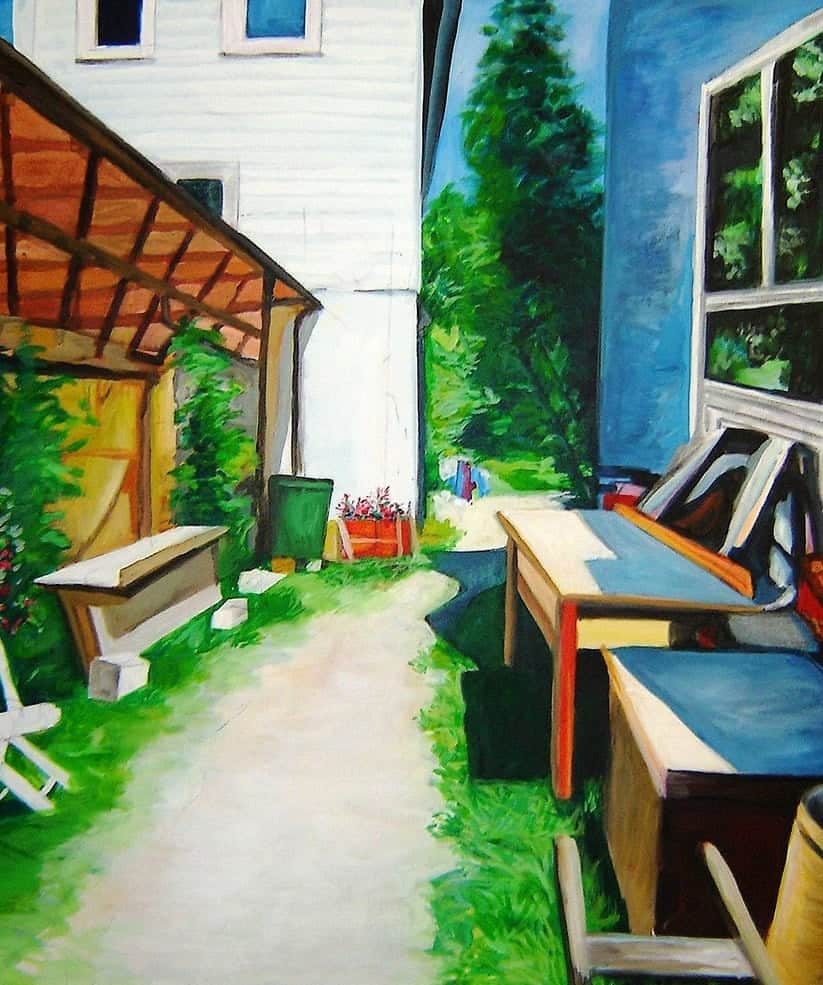
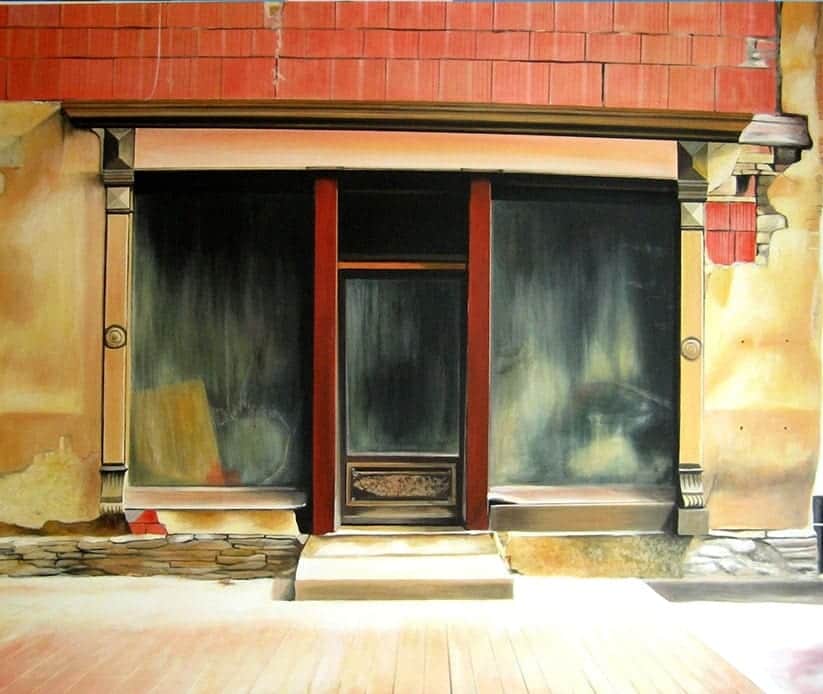
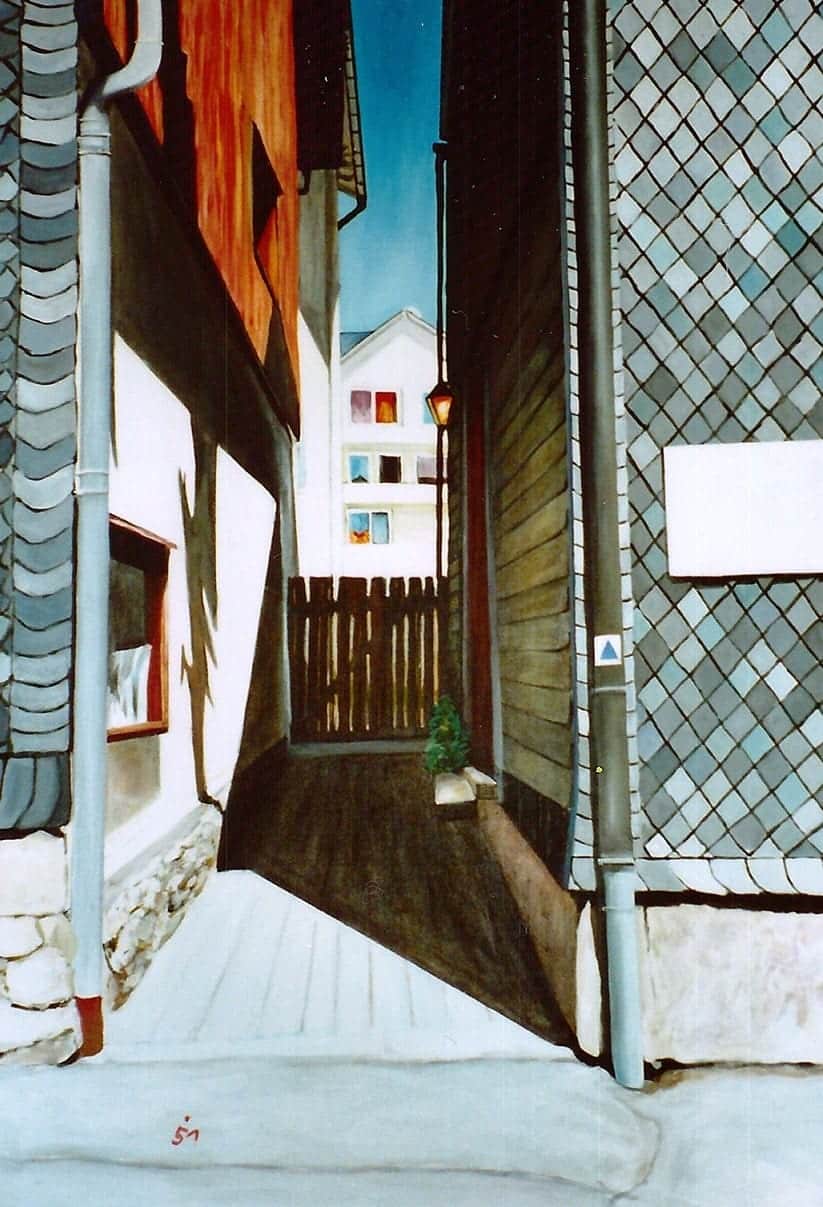
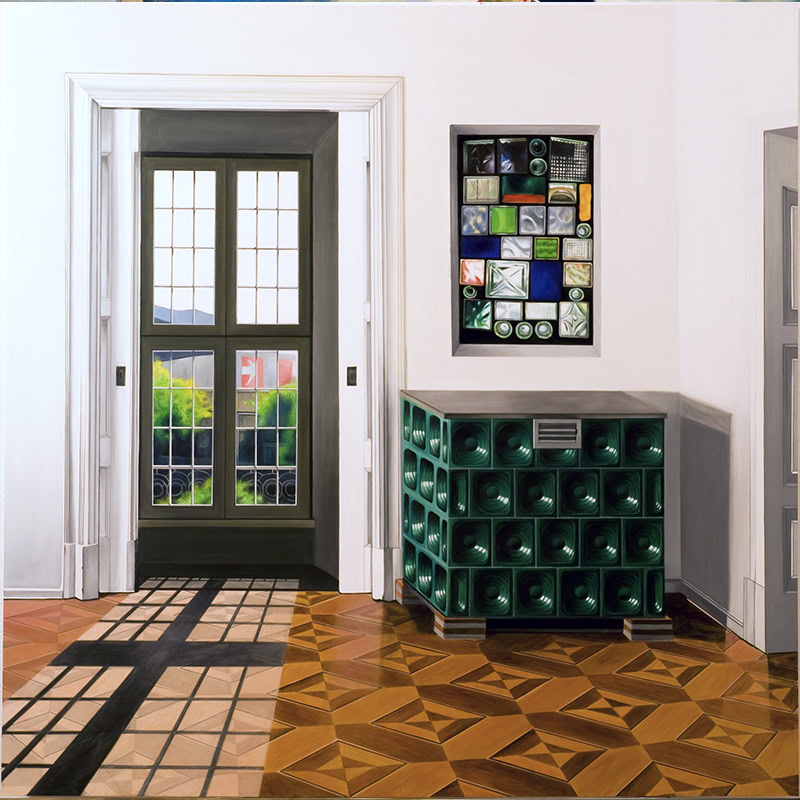
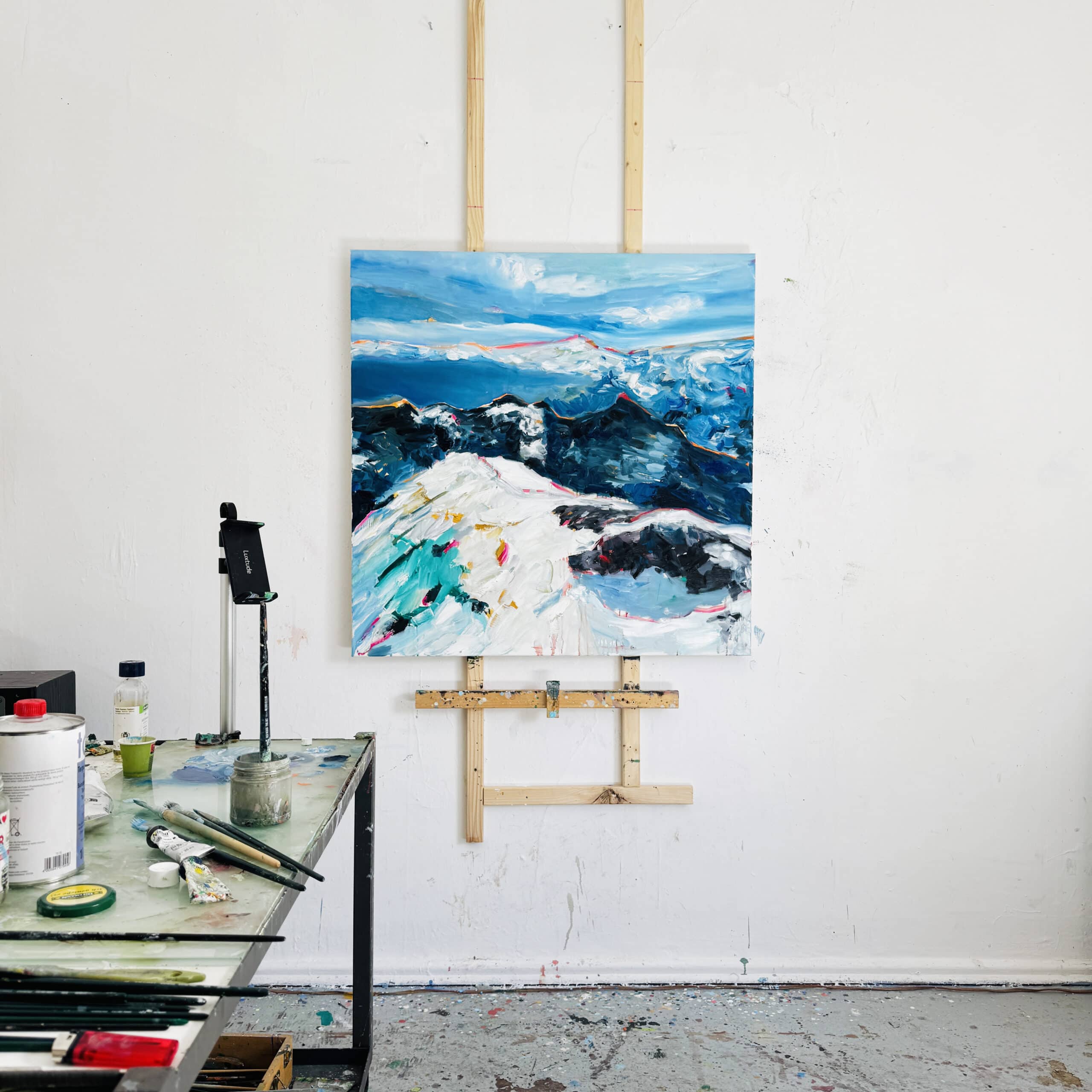
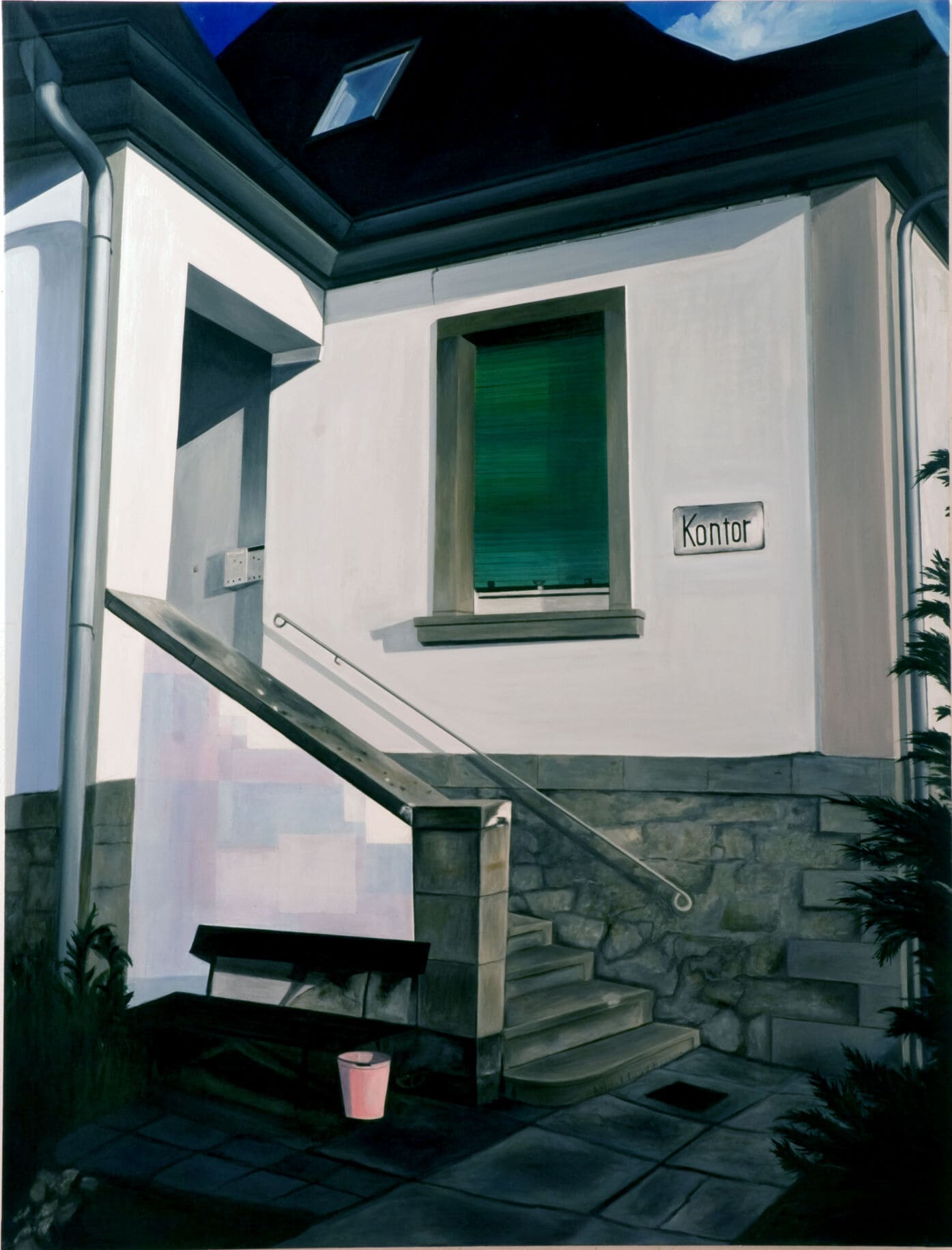
Between 2009 and 2017, Nikolaus Kriese’s artistic focus centered on space, architecture, and landscape. This period marked a phase of intensive exploration—not of the visible world itself, but of its possibilities. The works from these years reimagine reality through layered pictorial worlds in which naturalistic, modern, and traditional perspectives merge into a new visual whole.
Kriese developed his motifs from everyday encounters—with buildings, interiors, urban structures, objects, and landscapes. These impressions were transformed on canvas into autonomous compositions: structurally grounded, carefully considered in color, yet always interpretative rather than descriptive.
By combining multicolored and monochrome surfaces, figurative and expressive elements, a distinct pictorial logic emerged. The clear articulation of space, object, and surface created image spaces in which perception remains open—everything appears possible.
During this period, Kriese worked primarily with oil and acrylic on canvas. Color was often applied directly and decisively. Each work follows an internal order, with recurring forms and themes creating a quiet sense of seriality that defines his visual language.
The spaces depicted are almost entirely devoid of people—silent, uninhabited, sometimes cool in atmosphere. Even where plants or everyday objects appear, a certain distance remains. Architecture, utilitarian forms, and fragments of nature function as independent visual protagonists—precisely composed, frequently on a large scale.
This phase presents an artist who does not replicate reality but rethinks it; who does not illustrate, but makes visible. His painting remains open—and deliberately positioned beyond the mainstream.


Collage-Like Compositions Between Architecture and Imagination
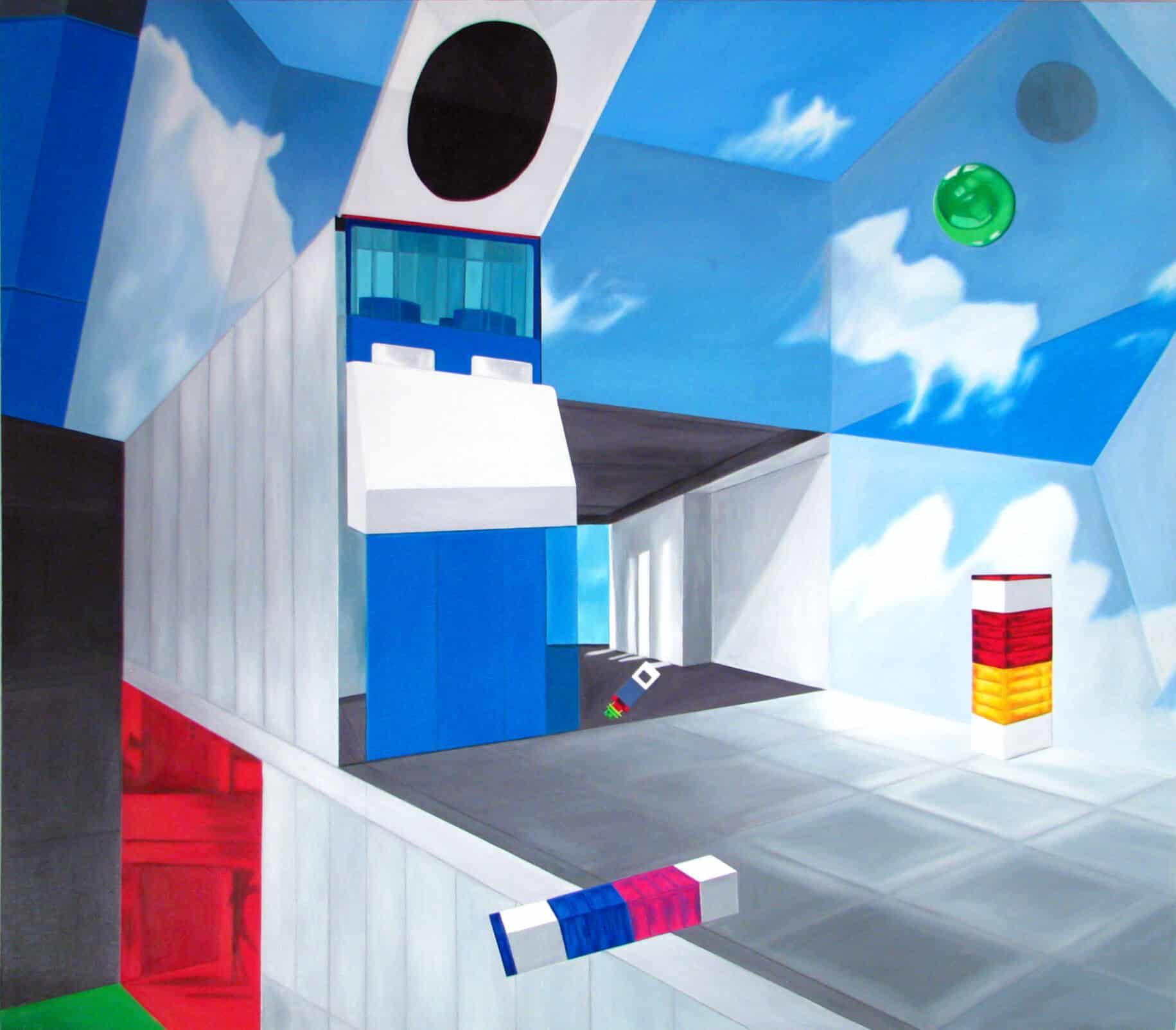
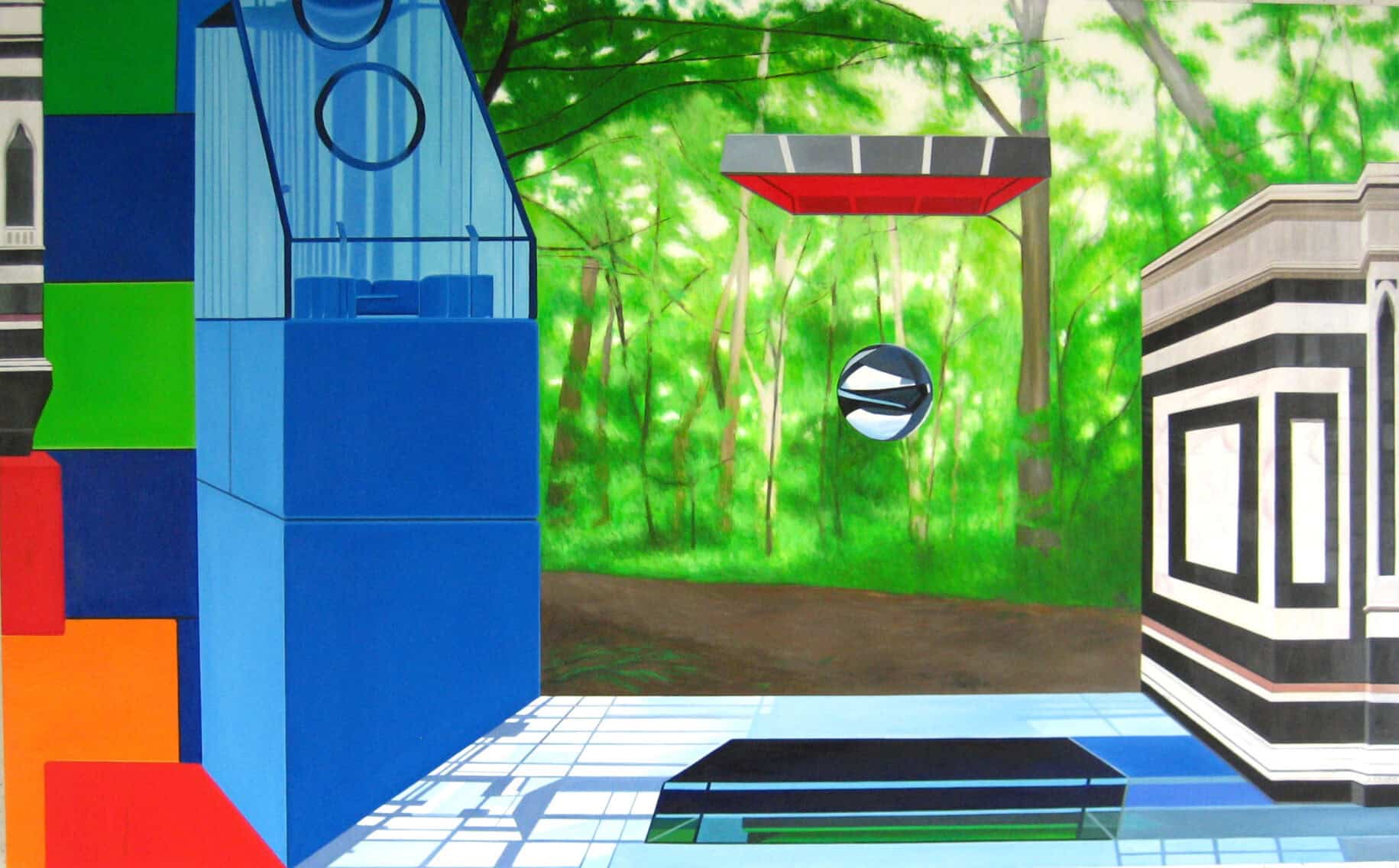
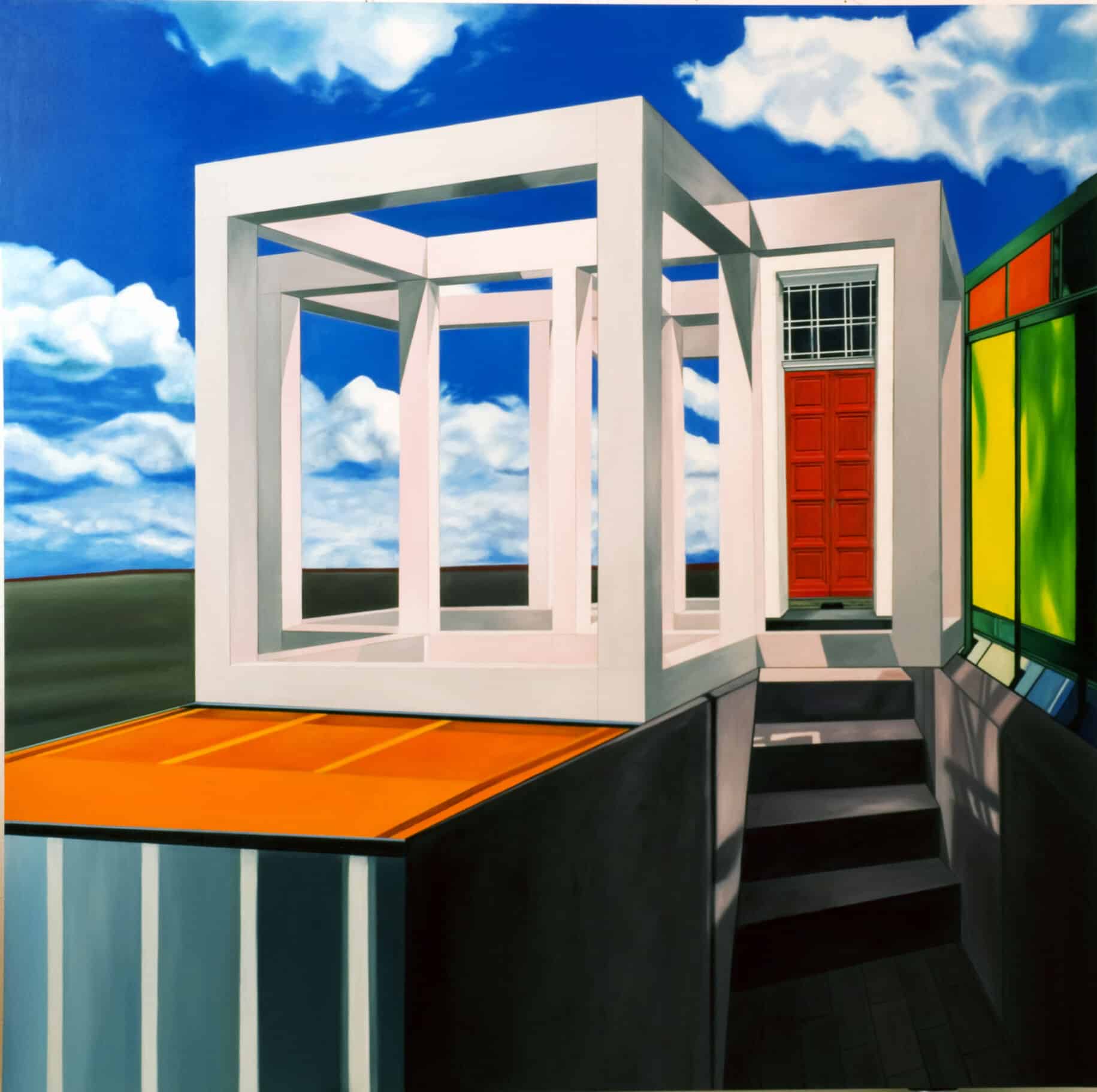
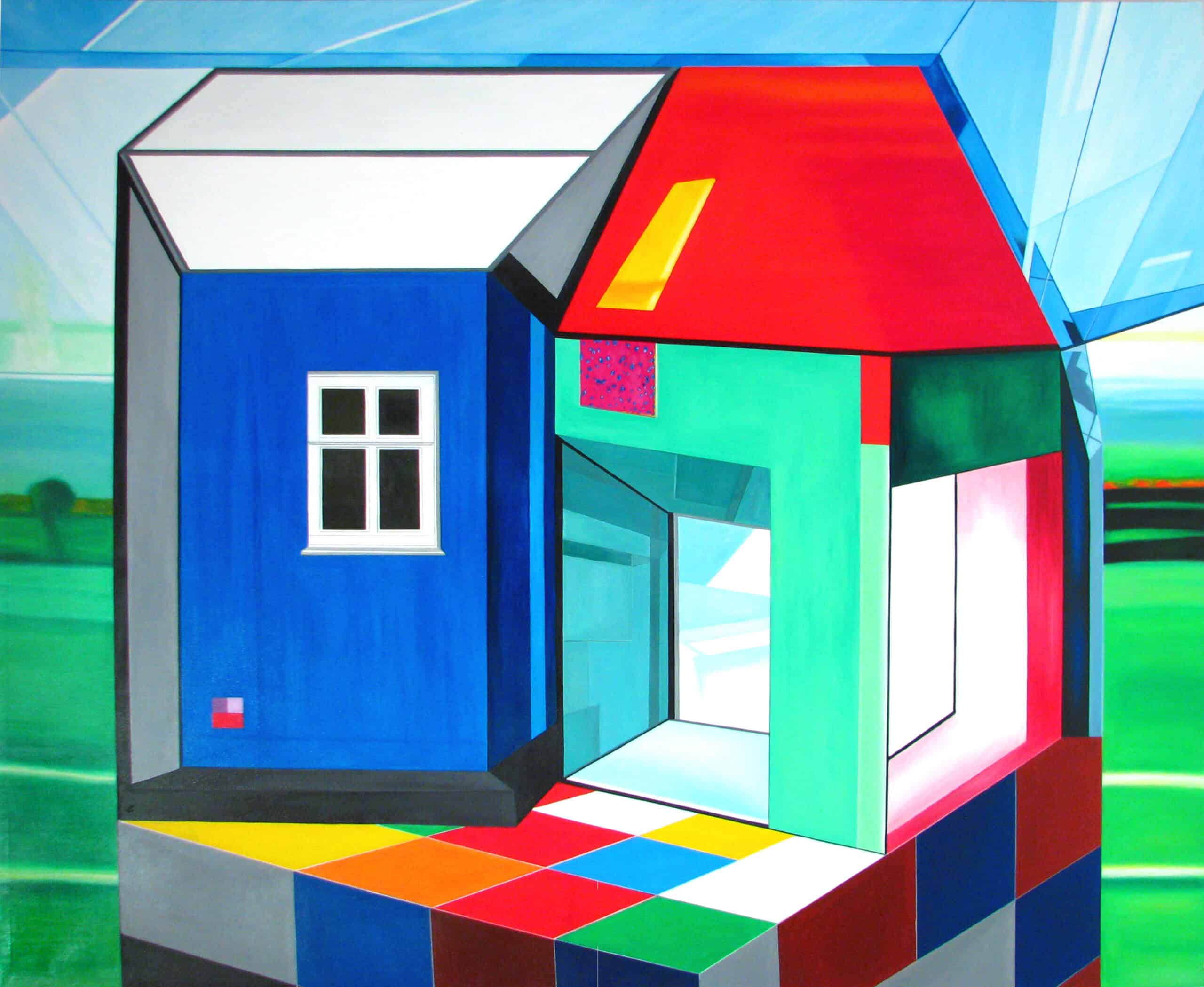
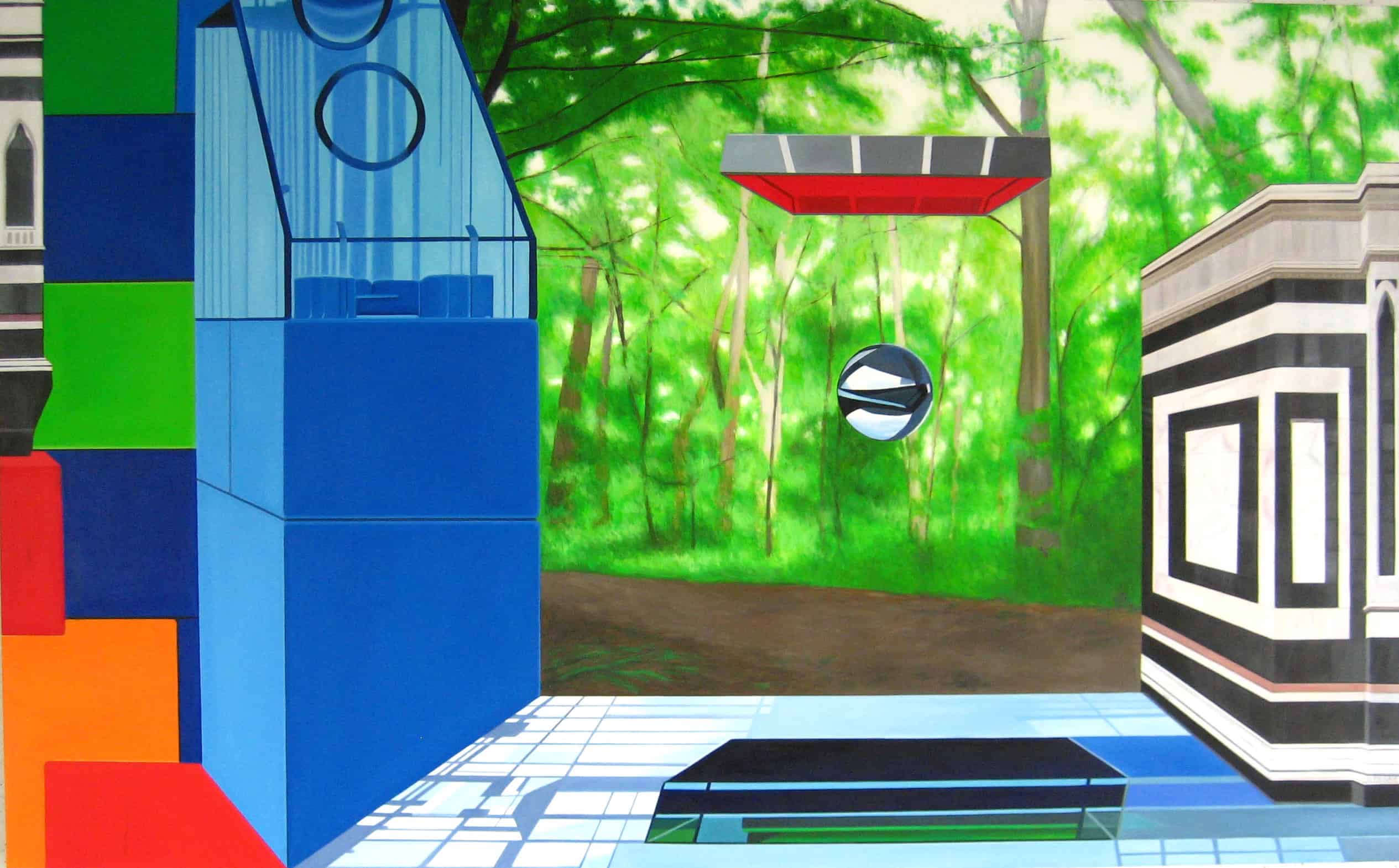
In many of Nikolaus Kriese’s works, the world transforms into a visual construction kit: spaces, objects, and landscapes are recombined—not by chance, but through the deliberate construction of an alternate reality.
By linking elements drawn from the real world, new relationships emerge. Photorealistic architecture may suddenly appear within vividly colored landscapes, or carefully painted objects reveal themselves as consciously inserted, almost artificial components. These image worlds read like collages, yet are executed with painterly precision on canvas.
Many of these works relate to nature in a particular way: they ask no questions, yet offer answers. Through his compositions, Kriese opens new spaces—floating objects, children’s toys, stairways, passages, doorways leading into other dimensions. New worlds unfold against familiar backdrops.
Stylistically, the work is defined by strong color contrasts, clear architectural structure, and naturalistic attention to detail. Closed shutters, abandoned offices, precisely guided lines—everything appears intentionally placed and simultaneously enigmatic. The spaces are often uninhabited, large-scale, subtly dark, and imbued with a quiet sense of mystery.
Kriese leaves little white space in his paintings, yet offers generous room for interpretation and atmosphere. His attention to detail, combined with the tension between structure and the surreal, turns each work into an invitation—not merely to look, but to experience.
Color as Material, Emotion, Explosion
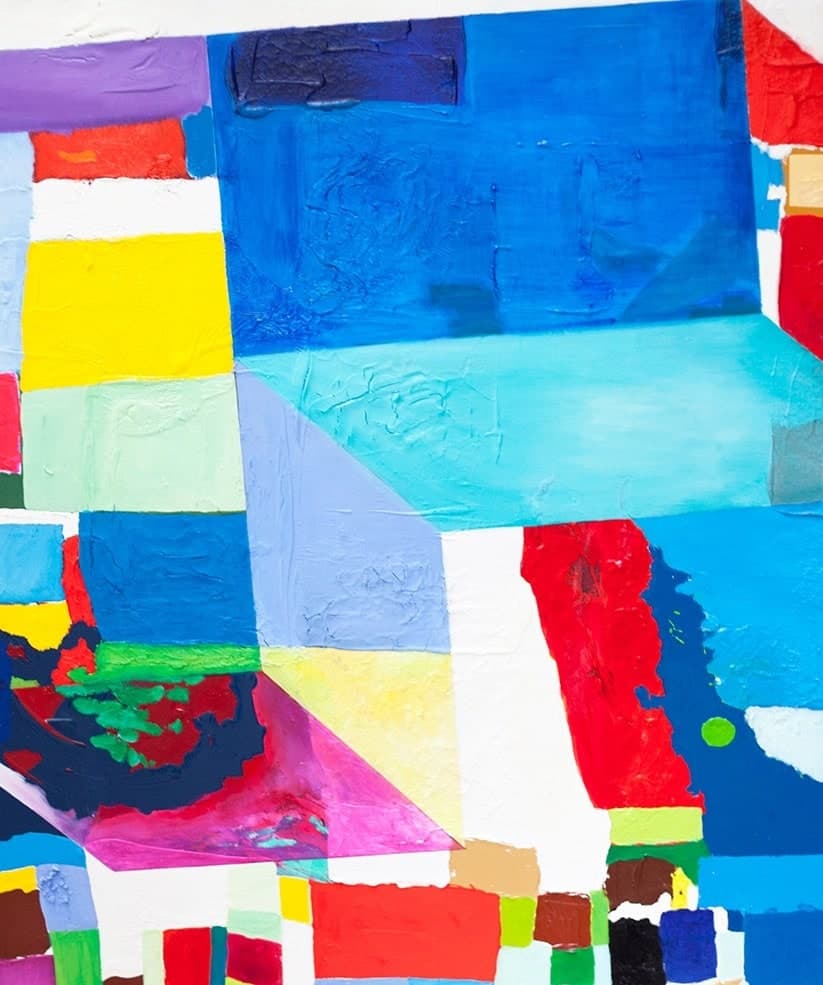
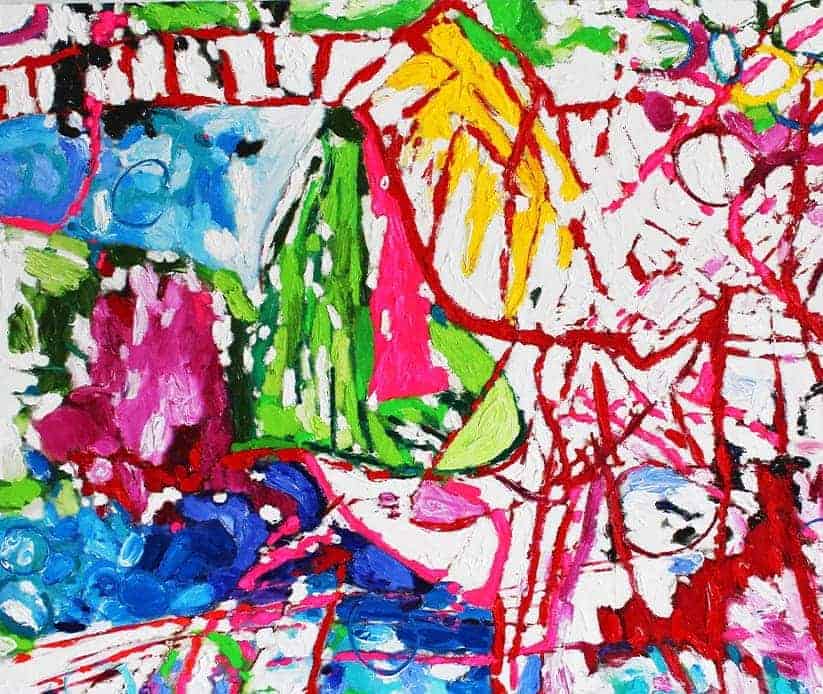
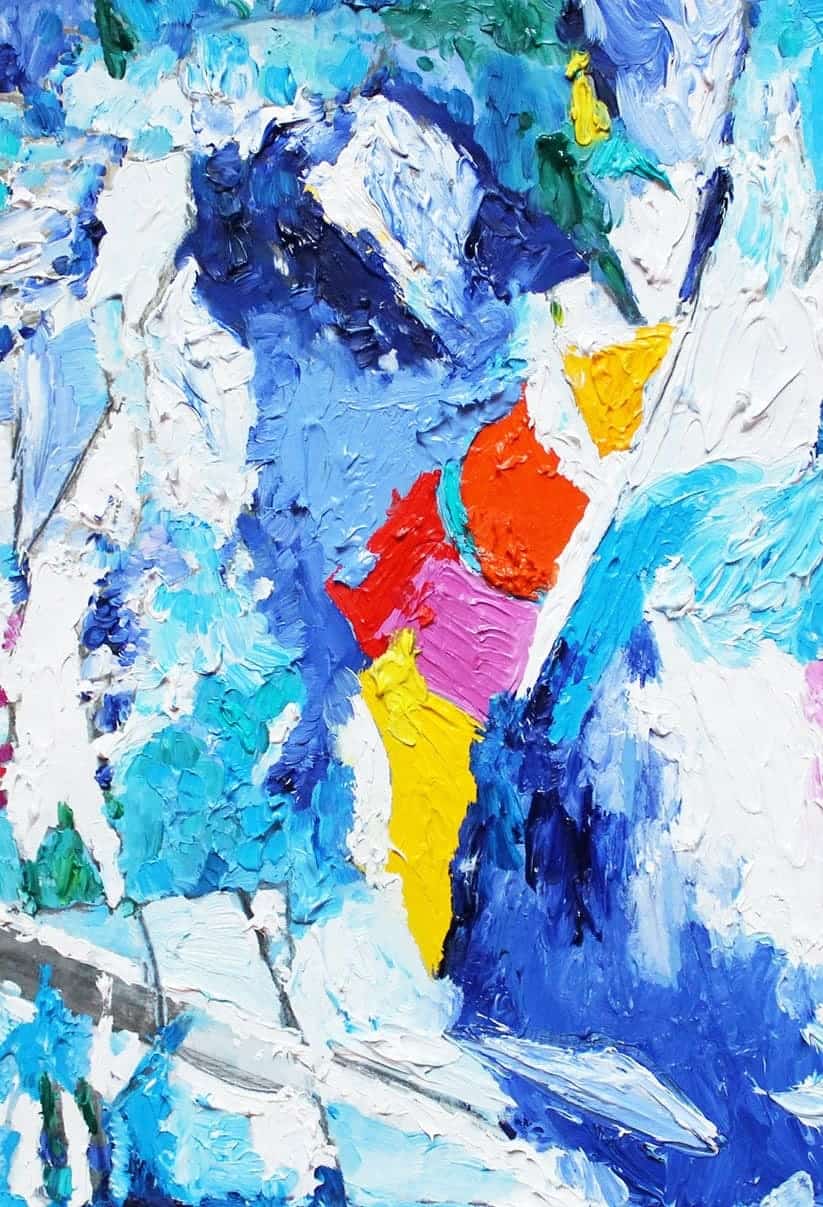
In this body of work, pure, intense color stands at the center—both as material and as expression. Created on handcrafted stretcher frames, these paintings unfold as powerful compositions in which free gesture, palette knife work, pigment, and oil paint merge into a vivid chromatic staging. The works live through their material presence—thick, layered, and almost bodily in their physicality.
Pigments are mixed, spread, scraped, and blended with oil until they reach maximum luminosity. Color fields interact directly with one another, reacting, repelling, or attracting. What emerges is a dialogue from surface to surface, from color to color—raw, playful, and expressive.
The motifs arise through the act of painting itself. Spontaneity and structure, emotional gesture and deliberate restraint meet within the process. These works reveal a world in which color becomes the subject—an energetic force, a carrier of mood, a field of possibility.
Between expressive chromatic intensity and controlled composition, new spatial impressions open up. A playful, almost fairy-tale-like dimension begins to surface, with subtle references to nature, forest landscapes, and a mystical sense of the outside world. Yet the works remain abstract—building bridges to reality without imitating it.
These paintings do not ask anything of the viewer— but they do challenge perception.

Spaces of Light, Line, and Imagination
2007–2016
Which places do we carry within us? When does imagination become space? And at what point does that space become real?
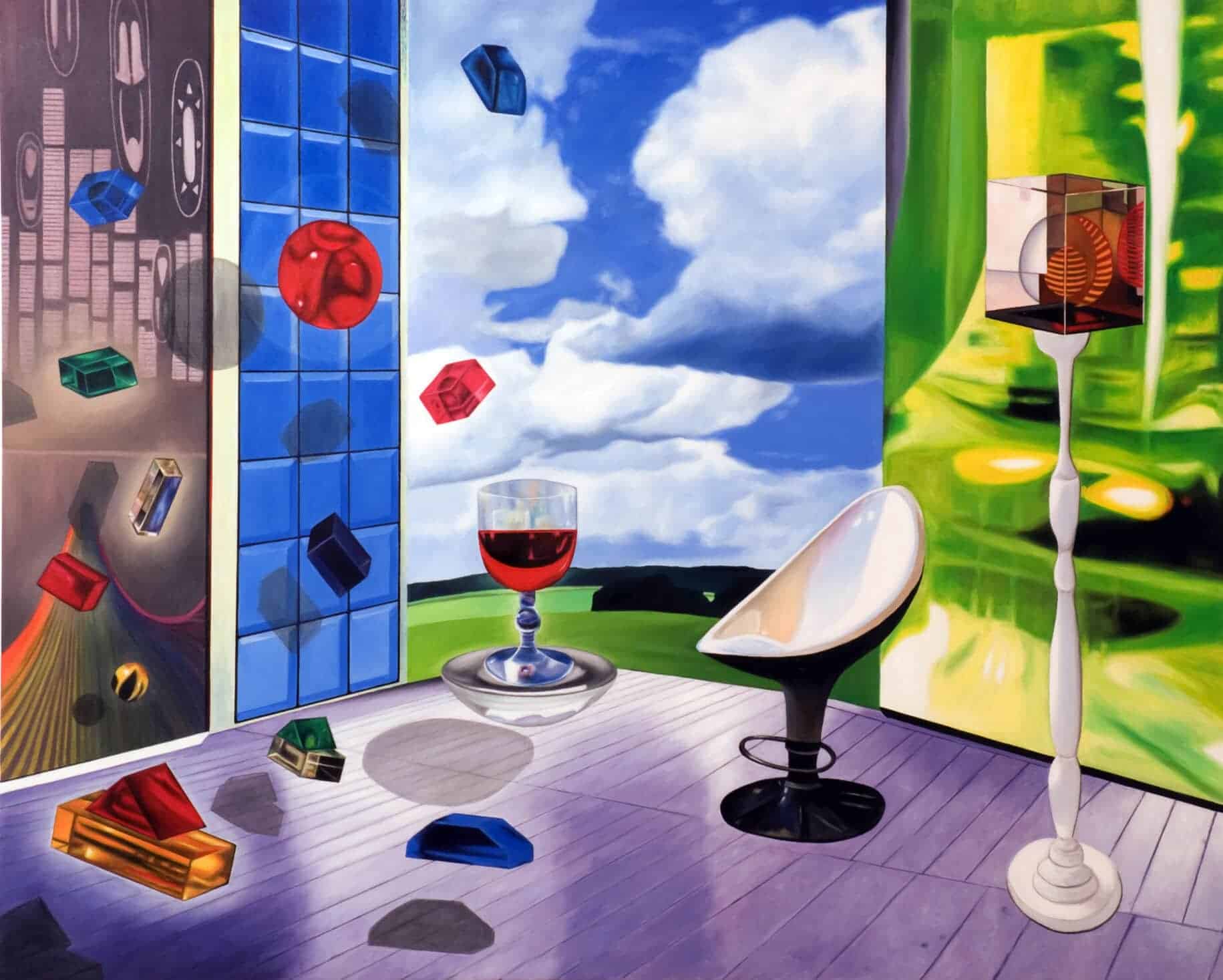
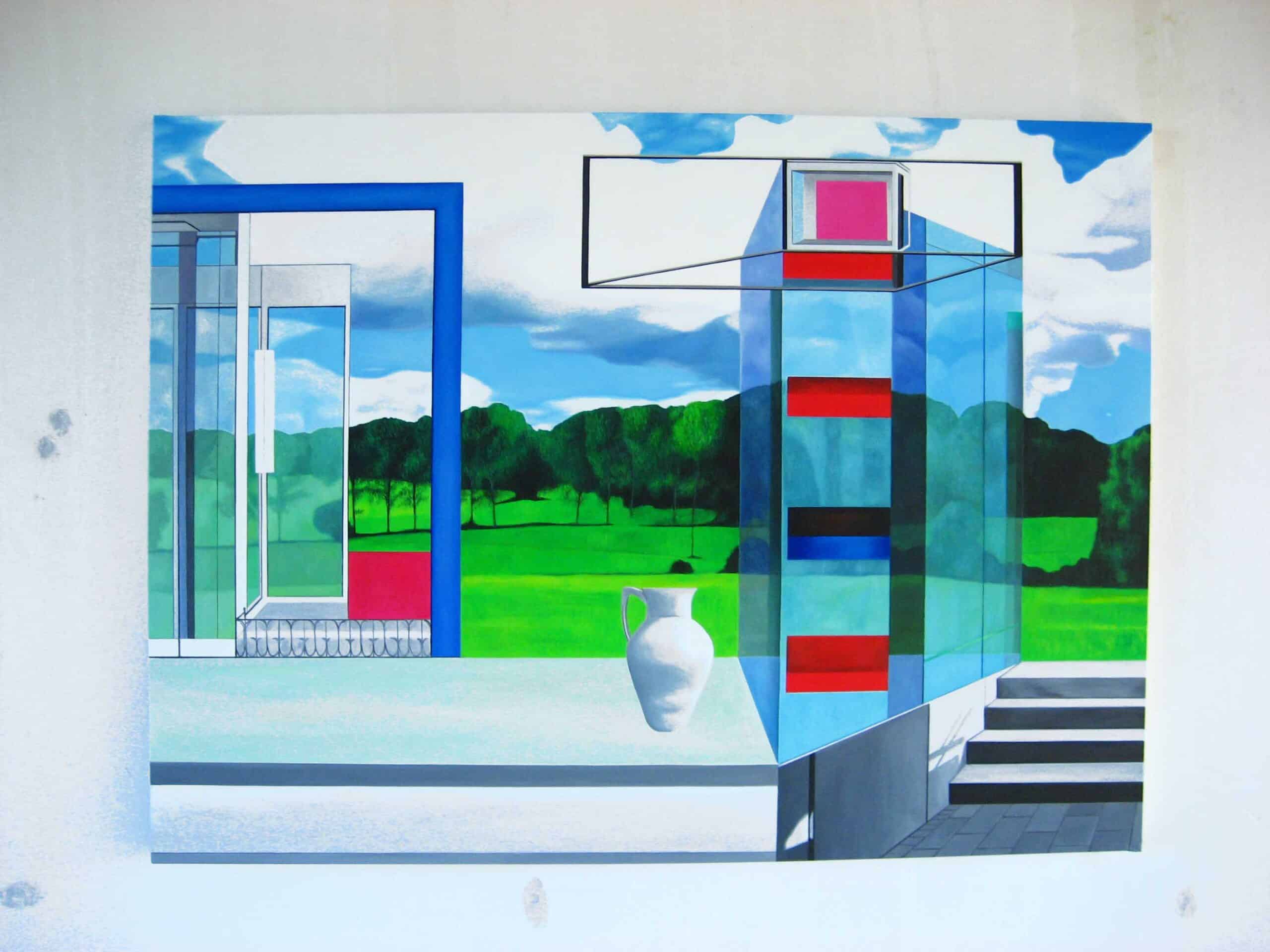
The works created between 2007 and 2016 engage with these questions, focusing on transparency, construction, and composition. Glass plays a central role: glass blocks, bottles, windows, marbles, vessels, gemstones—translucent materials that reflect light while simultaneously providing structure. In some paintings, a small windmill appears on the horizon, almost disappearing from view.
The pictorial architecture is precisely geometric, often bordering on the technical. Red accents punctuate predominantly blue-toned color spaces. Some works open toward expansive landscapes, while others construct deliberately artificial environments. Yet the compositions remain consistently controlled, clearly conceived—an ongoing interplay between order and surface.
In many of these works, the sky assumes a central role. Objects appear to float, seemingly released from physical weight. A sense of weightlessness and detachment emerges. The forms remain cool, almost sterile—a visual language that recalls New Objectivity while at the same time operating on a deeply metaphorical level.
These works create zones of imagination: places of retreat, landscapes of thought, spaces for reflection. They open new dimensions—both as inner architecture and as playful construction. The world appears here as a modular system: open to variation, shaped by structure, and carried by a quiet, crystalline sense of mystery.
Spaces of Light, Line, and Imagination
2007–2016
Which places do we carry within us? When does imagination become space? And at what point does that space feel real?
The works created between 2007 and 2016 are dedicated to these questions, with a focus on transparency, construction, and composition. Glass stands at the center: glass blocks, bottles, windows, marbles, vessels, gemstones—translucent materials that reflect light while simultaneously providing structure. In some paintings, a small windmill appears on the horizon, almost disappearing into the distance.
The pictorial architecture is precisely geometric, often nearly technical in nature. Red accents punctuate predominantly blue-toned color spaces. Some works open toward expansive landscapes, while others construct artificial, self-contained environments. Yet the compositions remain consistently controlled, clearly conceived—an ongoing play between order and surface.
In many of these paintings, the sky plays a central role. Objects appear to float, seemingly released from physical weight. A sense of weightlessness emerges, of detachment and quiet suspension. The forms remain cool, almost sterile—a visual language that recalls New Objectivity while simultaneously operating on a deeply metaphorical level.
These works create zones of imagination: spaces of retreat, mental landscapes, environments for contemplation. They open new dimensions—both as inner architecture and as playful construction. The world appears here as a modular system: open to variation, defined by structure, and carried by a subtle, crystalline sense of mystery.